India's Independence Day should be celebrated all over the world as a triumph of democracy, secularism, tolerance, and wisdom
By Narinder Kukar
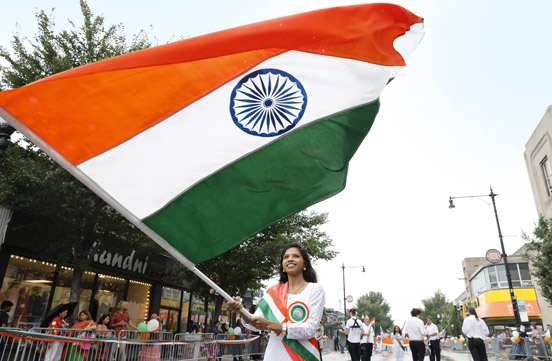
It is interesting, yet not surprising, to note that expatriates from all over the world remain attached to their country of origin, regardless of their faith, profession, or race. Independence Day holds a special meaning for them, and they all celebrate it in the country where they moved to.
Expatriates celebrate the Independence Day of their birth country for a variety of reasons. Centered around maintaining a connection to their roots and heritage while living abroad, reinforces a sense of national identity, preserving cultural identity and heritage. Celebrating Independence Day provides an opportunity to observe traditions, rituals, and values that might otherwise be lost when living in a different cultural environment.
These celebrations allow expatriates to gather with others from their homeland, creating a support network and fostering a sense of community and belonging in a foreign land. It can lead to a healthy exchange of ideas, customs, and perspectives between different cultural groups within the host community.
.jpg)
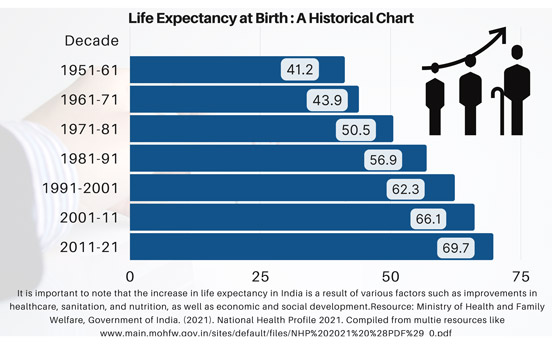
In essence, celebrating Independence Day allows expatriates to nourish their cultural identity, strengthen ties with their homeland, fellow expatriates, and contribute to the cultural diversity of their new home. The celebration does not just pertain to the motherland that they left years or decades ago; it also relates to the improvements their ancestral land has made over the years of independence.
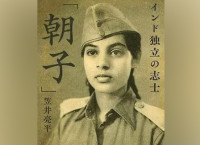
The struggle for India's independence was a long and arduous one, involving numerous acts of resistance, civil disobedience, and sacrifices. Key figures like Mahatma Gandhi, Jawaharlal Nehru, Sardar Vallabhbhai Patel, Subhas Chandra Bose, Bal Gangadhar Tilak, and many others led the movement, inspiring millions to fight for freedom. The Quit India Movement in 1942 was a pivotal moment, leading to widespread protests and ultimately, the end of British rule in 1947.
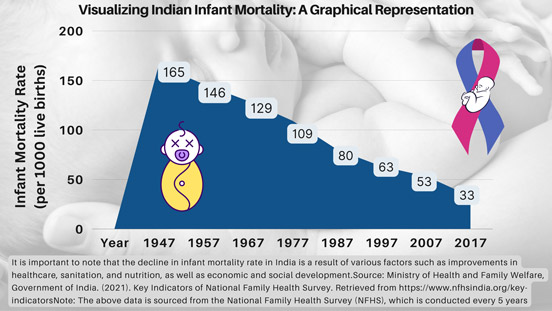
I was nine years old when India achieved its independence from the British Empire on August 15, 1947. With the partition of India into Pakistan and India (Bharat) based on religion, Hindus (Hinduism is widely considered the oldest major religion in the world) and Muslims. I vividly still recollect the excitement in our house, hoisting the Indian Tricolor flag from the highest point of our three-story home in Fazilka, Punjab, a border town 10 km from the Pakistan border, even though it would have been seen better from the second-floor balcony.
We were lucky. Fazilka became part of India, a vibrant, secular democracy with respect and tolerance for all religions. Indians still held on to their civil behavior, compassion and tolerance, and respect for all religions. After independence in 1947, India adopted a constitution of Democracy and secularism. While being surrounded by communist China and theocratic states, Pakistan, which to this day has been very intolerant of (I am being very polite) of all non- Muslims, especially their animosity for Hindus. Bangladesh even surpasses Pakistan in its hatred of Hindus.
India is the beacon of light in the dark South Asia. The Independence Day celebration does not just pertain to the motherland that they left years or decades ago, it also relates to the improvements their ancestral land has made over the years of independence. Just as a personal anecdote, when I came to the USA as a doctor in 1966 (not with just $8 in my pocket as I have heard from many others), we came with college degrees. I came with an MBBS degree, thanks to our educational institutions and our parents' emphasis on education.
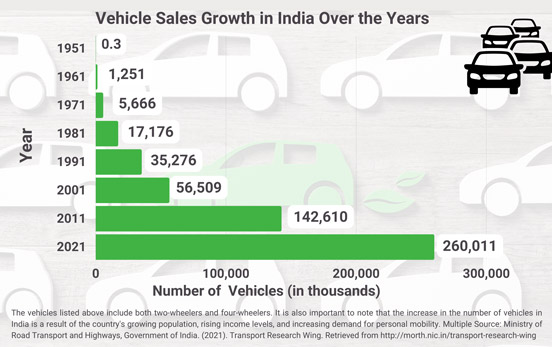
The Indians were widely discriminated against, considered inferior in work, and institutions that had more of them were considered second-class hospitals. Was it because we were not so smart, or was it because India as a country was considered third-rate, poor, weak militarily, and corrupt? India has, over the past 57 years that I have been here, progressively improved, become self-sufficient in food, a militarily strong nation, and is moving forward to becoming self-reliant in defense equipment manufacturing, and now the 4th largest economy of the world.
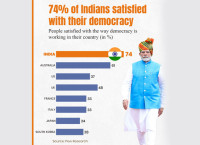
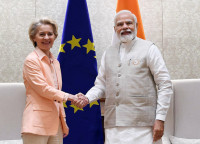
Suddenly, so to speak, the same Indians are looked upon in the USA and the rest of the world with respect. We didn’t change; we only became older. India has changed for the better, and we are reaping the benefits. India in the last 12 years, under the leadership of Prime Minister Narendra Modi, has made marked improvements.
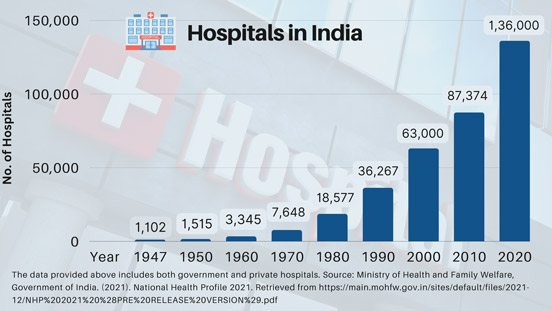
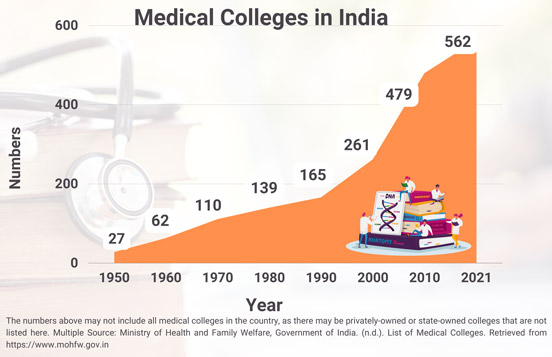
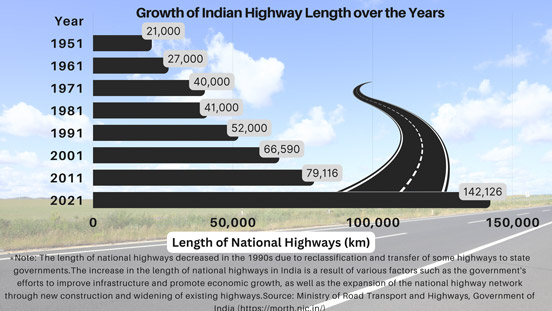
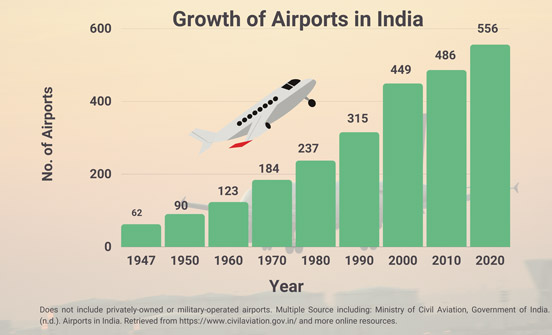
From 2012 to 2024, the infant mortality rate decreased from 42 per 1000 births to 25.8; national highways increased from 97,991 kilometers to 146,000 Km; grain production from 257.4 metric tons to 353.6 Metric tons; medical colleges from 387 to 704; airports 74 to 157; AIMS (All India Institute of Medical Sciences from 6 to 28, and India’s GDP - 1.828 trillion USD to 4.3 trillion USD.
This Independence Day is not merely a holiday — it is a milestone that encapsulates the struggles, aspirations, and triumphs of people striving to govern themselves. The history behind each Independence Day is unique to the country celebrating it, reflecting the cultural, political, and social context of its independence movement.
Considering India’s success in preserving democracy, secularism and respect for all faiths, tolerance for dissent and marked achievements, while surrounded by communist, theocratic and dictatorial states, it should encourage all other struggling countries to follow the path of the Indian way of governance.
India's Independence Day should not only be celebrated by Indian expatriates but also by expatriates of all other nations as a triumph of democracy, secularism, tolerance, and wisdom.
(All graphics courtesy of the author)
-----------------------------------------------
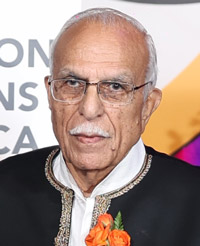
(The author is the Past National President of the Association of Indians in America (AIA) and Past Chair of the AIA Board of Trustees)
The views expressed are not necessarily those of The South Asian Times.
----------------------------------------------