Elders not a burden, but custodians of culture, tradition, and values
By Lalit Garg
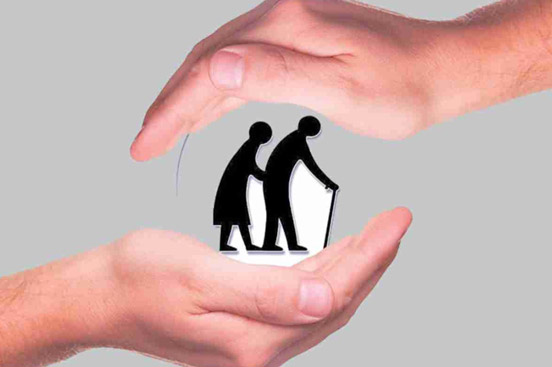
The United Nations has declared 1 October as the International Day of Older Persons. The purpose of this day is to highlight the rights, dignity, and contributions of the elderly. It compels us to reflect on why the final stage of life, which was once considered a symbol of respect and experience, has today become synonymous with neglect, loneliness, and insecurity. According to the World Health Organization, by 2030, the number of people over 60 years of age will exceed 1.4 billion globally, and by 2050, this figure will double to approximately 2.1 billion. In developed countries, older persons already constitute one-fourth of the population, while their numbers are rapidly increasing in developing nations as well. But the irony is that along with this growing population, challenges related to their safety, health, and social participation are also on the rise. In countries such as Europe and America, the elderly may be secured through pensions and healthcare, but the problems of loneliness and mental depression are rampant. In Asia and Africa, where family systems were once considered strong, the breakdown of joint families has left the elderly grappling with economic and social insecurities.
The International Day of Older Persons was first observed in 1991 with the aim of raising awareness about the opportunities and challenges of an aging population, recognizing the rights of older people, and acknowledging their contributions. On this day, the United Nations calls for strengthening systems that support the elderly and encourages an integrated approach to their physical and mental healthcare. It emphasizes the recognition of their invaluable contribution to society, protection of their rights, strengthening of healthcare and support systems, inclusion of older persons in global development efforts, and creation of urban environments that are more inclusive for them. The day also stresses the importance of providing equal access to digital technologies for the elderly, ensuring equality for all age groups, and upholding the human rights of older persons. The theme of the 2025 observance is “Empowering Older Persons’ Voices for an Inclusive Future,” which underlines the recognition of their voices, experiences, and knowledge, while focusing on building inclusive societies based on their wisdom. It highlights the vital role of older people in creating resilient and equitable societies. In the making of an advanced and ideal society, the voices, perspectives, and experiences of the elderly hold immense significance.
Old age brings many difficulties. In terms of health, diseases like heart ailments, diabetes, joint pain, and dementia surround them, while their access to healthcare facilities remains limited. Economically, pensions and social security schemes do not reach every older person, and in rural areas the situation is even more worrisome. Socially, in the rush of modern life, the elderly suffer from loneliness, sadness, and neglect. Mentally, injury to self-respect, being deprived of a role, and the feeling of uselessness break them from within.
The situation in India is even more alarming. While the elderly have always been regarded as the heritage of Indian society, considered reservoirs of experience and wisdom, neglecting them is not only an injustice but also a defeat of civilization and culture. Elders are not a living burden but the guardians of our culture, traditions, and values. Respecting them is not only our moral duty but also a necessity for building a better, sensitive, and balanced society. In India, the average life expectancy has now crossed 65 years, leading to a rapid increase in the elderly population. In 2011, there were 103.8 million senior citizens in India, which is projected to rise to 300 million by 2050. It is estimated that by then, one in every four Indians will be elderly. This, according to the NITI Aayog, will significantly increase the challenges faced by them.
In traditional Indian family systems, the elderly held an honored and crucial role in ensuring security and decision-making. But today, urbanization, nuclear families, migration, and consumerist attitudes have pushed them to the margins. Within families, they are increasingly seen as an economic burden. Generational conflicts and changes in values have widened the distance, working children lack the patience and time to care for them, and property and inheritance disputes are common. As a result, older people struggle with illnesses without adequate treatment, they fall prey to loneliness and depression, they are excluded from decision-making, and at times get entangled in domestic violence and property conflicts.
The question arises—why was there a need to establish a special day for the elderly? Why have conditions of neglect and mistreatment emerged? The important concern is to stop this wrongful trend of neglecting the elderly. This is because such distorted thinking has not only made their lives miserable but has also increased emotional distances between people. Old age is the evening of life, but in today’s race-driven, materialistic, and fast-changing world, many distortions and adversities have arisen, one of which is the neglect of the elderly. In reality, old age already brings with it many physical ailments, mental stresses, and various hardships, and if on top of that family members—especially the young—insult their elders, ignore them, or cause them mental distress, then naturally old age becomes a curse.
The solution to these problems cannot come only from government schemes; it requires coordinated efforts at the family, social, and governmental levels. Revival of the family system is essential, instilling in children from an early age the values of service, compassion, and respect. The ambit of social security must be expanded, pensions, health insurance, and the quality of old age homes improved. Geriatric healthcare should be given priority, with dedicated health centers for the elderly in every town and village. Special attention must be paid to mental health; community centers, clubs, and forums should be activated to combat loneliness. The elderly should be connected with digital technology to make them active in social and family communication. The “Maintenance and Welfare of Parents and Senior Citizens Act, 2007” must be effectively implemented, and awareness about their rights should be spread in society.
Under the leadership of Prime Minister Narendra Modi, when a new India—developed, prosperous, and self-reliant—is being built, it is imperative that the elderly are not neglected in this journey but made active participants in it. A guaranteed minimum pension should be ensured and social security schemes must reach every senior citizen. Initiatives like “Digital India” and “Skill India” should also involve older persons so that they remain engaged in social interaction and economic activities. The number and quality of old age homes and day-care centers must be enhanced, counseling centers for mental health established, and nationwide campaigns promoting a spirit of service and compassion launched. As India marches toward self-reliance and global leadership, its experienced elders are an invaluable asset to the nation, and therefore the Modi government must implement sensitive and comprehensive welfare policies for them.
-----------------------------------------------
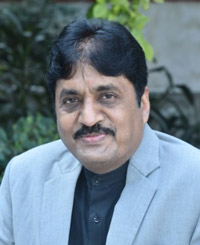
(The author is New Delhi based writer, journalist and columnist. The views expressed are not necessarily of The South Asian Times)