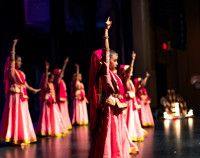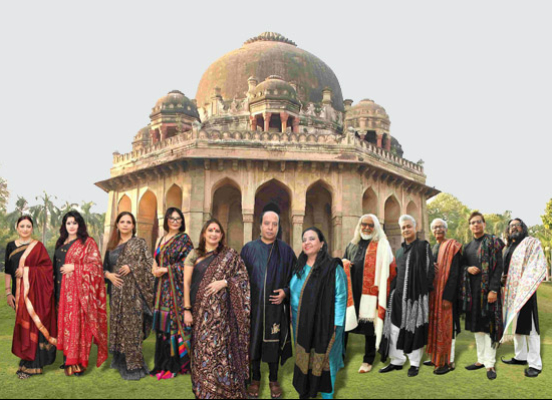
New Delhi: Ehsaas-e-Qalam aur Pashm, a multidisciplinary exhibition that brings together calligraphy, Pashmina Shawls and Hindustani classical music on a single platform, will be inaugurated on Wednesday, January 28th, at the India International Centre (IIC) in New Delhi.
The initiative comprises a calligraphy solo exhibition by Qamar Dagar, curated by Manisha Gawade and Pashmina shawls by Ehsaas, and Hindustani Classical Dhrupad music by Padma Shri Ustaad Wasifuddin Dagar. The event includes a documentary on all three subjects curated and conceptualized by Manisha Gawade, featuring Usaad Wasif Uddin Dagar, Qamar Dagar and Senior visual artists.
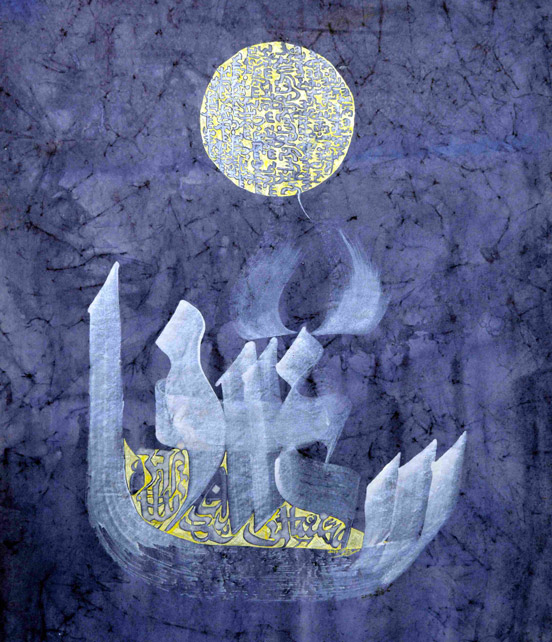
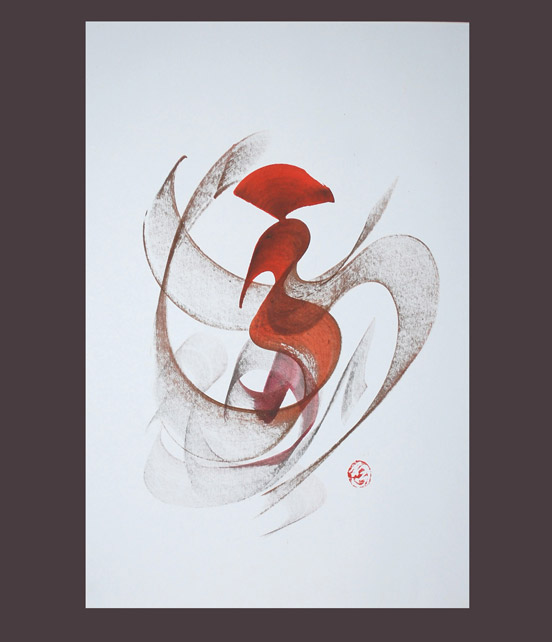
The calligraphy works by Qamar Dagar are created using inks, acrylics, and the traditional qalam. (Photos courtesy: Media net Works)
The calligraphy works by Qamar Dagar are created using inks, acrylics and the traditional qalam, reflecting a nuanced engagement with language, materiality and form. Her practice centres on the meaning of words and their pictorial interpretation, where words are not merely written but imagined and experienced.
“Calligraphy to me begins with listening to the word, its meaning, its silence. When I work with inks, acrylics and the qalam, I imagine words as entities that have life in them. Some letters emerge adorned, others remain transparent, much like people. Through this process, language becomes visual, musical, and deeply personal," Qamar Dagar said.
Concepts such as Noor or Anjaam are approached as living presences — ideas with which the artist develops an intimate relationship before translating them visually. Lines, strokes and shapes are intuitively augmented, guided by emotion and contemplation rather than fixed structure.
Deeply inspired by good music, philosophy, musical notes and other art forms, Dagar’s calligraphy carries an inherent rhythm and musicality. While working with the qalam, she becomes acutely aware of the interplay between opacity and transparency, discovering layers of expression within each stroke. Letters and alphabets are stylised almost as human forms — some richly embellished, others sparse and translucent — creating compositions that echo human relationships, presence and vulnerability.
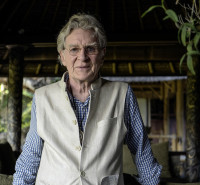
Ustaad Wasif Uddin Dagar represents the twentieth unbroken generation of stalwarts in Dagar Gharana, known for their dedication to Dhrupad, an ancient form of classical music. Also, the president of Dhrupad Society will be giving a vocal performance on the occasion in front of an invited audience from the world of art and culture and senior officials of important multinationals.
“Dhrupad is a meditative journey where sound, breath and silence come together. In Ehsaas-e-Qalam aur Pashm, music converses with calligraphy and craft, reminding us that all classical art forms are born from discipline, devotion and continuity. When such traditions come together, they strengthen each other and reaffirm the need to preserve our shared cultural heritage," Ustaad Wasif Uddin Dagar said.
Conceived and curated by Manisha Gawade - an internationally renowned curator, artist and art columnist, founder of Ehsaas. Ehsaas-e-Qalam aur Pashm is envisioned as a conservation program for Pashmina shawls, addressing the urgent challenges facing this historic art form. The cycle of poor demand, diminishing numbers of weavers and karigars, and declining Pashmina wool production has had a detrimental impact on the craft, placing it at risk of eventual extinction. Through this endeavor, Manisha Gawade has consistently worked to unite eminent artists, senior fashion designers and cultural practitioners, bringing weavers and artisans to the forefront while raising awareness about the need to protect and revive this national heritage.
The exhibition, creating an immersive cultural experience rooted in history while inspiring future generations, will be inaugurated in the presence of Chief Guest Sudhanshu Mittal, President of the Kho Kho Federation of India and the International Kho Kho Federation, Vice-President of the Indian Olympic Association, author, and noted cultural patron.
A collaborative cultural initiative by QCCT, IIC, and Ehsaas, the exhibition will be open to the public from January 29th to February 8th, 2026.