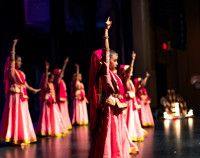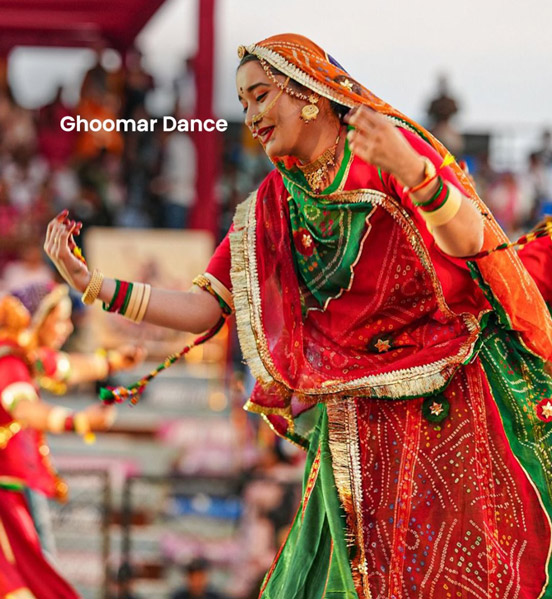
On International Dance Day, April 29, every rhythm finds its soul in Rajasthan. From the graceful swirls of Ghoomar to the powerful beats of Kalbelia, every step carries stories of heritage, celebration, and timeless tradition.
In Rajasthan, dance is not just performed but lived, passed down through generations, echoing through deserts, palaces, and streets. Here's celebrating the spirit of movement, the language beyond words, and the culture that never stands still...
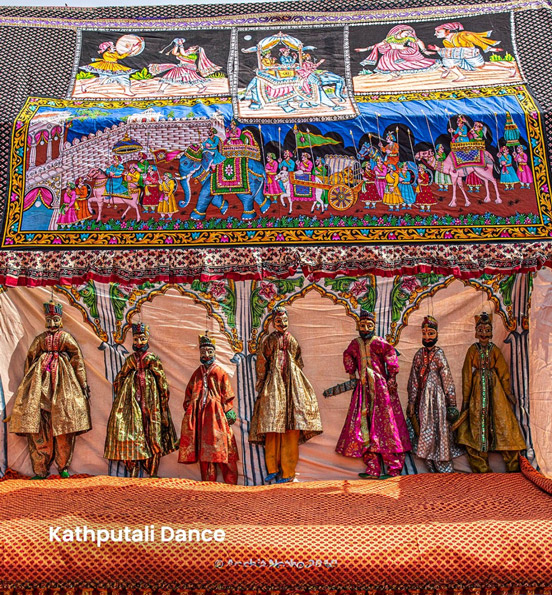
Kathputli is a 1,000-year-old traditional string puppetry art form from Rajasthan, where wooden puppets dressed in vibrant costumes dance and act out tales of folklore, bravery, and romance.
-----------------------------
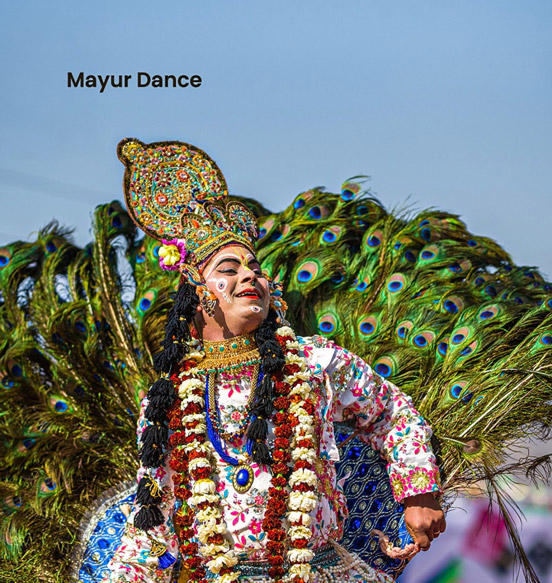
Commonly performed in Udaipur and Jodhpur during the monsoon season, the Mayur (peacock) dance is rooted in the divine love story of Lord Krishna and Radha.
-----------------------------
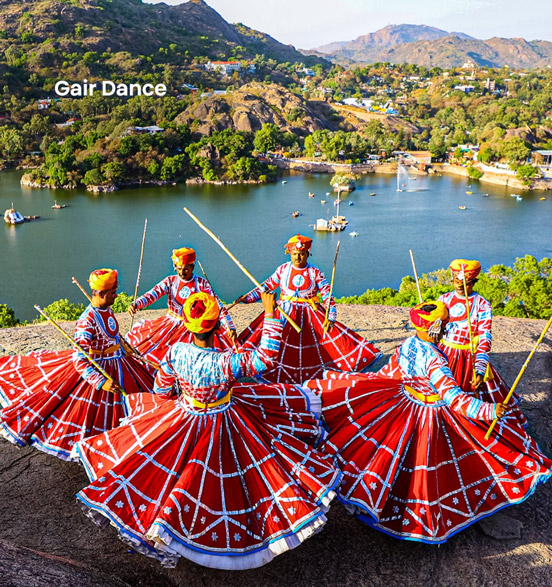
Originating from the Bhil community, the Gair dance is primarily performed by men during the Holi and Janmashtami festivals, especially in the Marwar and Mewar regions. Dancers in vibrant, pleated tunics move in large, swirling circles while striking sticks (khanda) to the beat of drums.
-----------------------------------
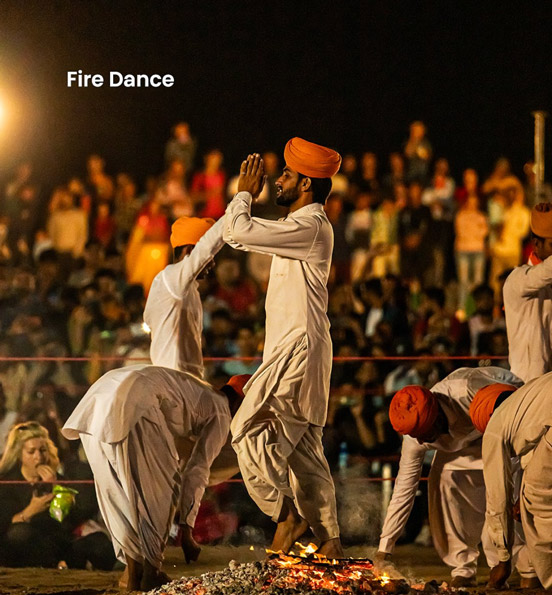
The Fire dance, or Agni Nritya, is performed by the Jasnathi community in the Bikaner region, characterized by men dancing on live charcoal embers. It is a 15th-century tradition designed to showcase the spiritual devotion of the dancers.
----------------------------
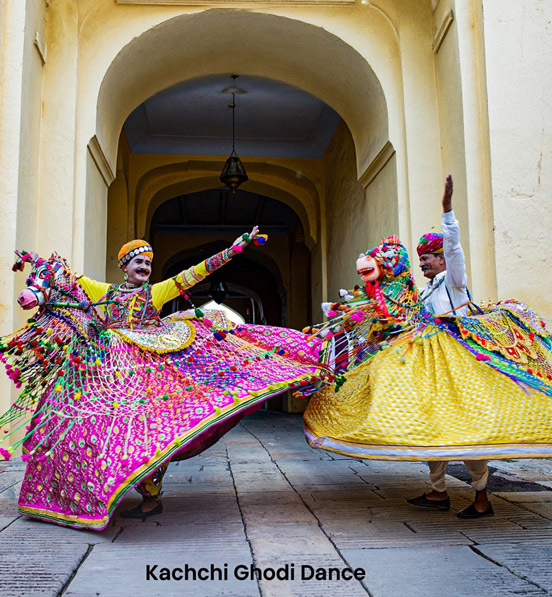
Originating from the Shekhawati region, the Kachchi Ghodi dance is performed by men wearing elaborate horse costumes. Dancers use dummy horses, decorated with mirrors and embroidery, to perform mock sword fights, simulating battles to narrate stories of local bandits and valor.
(All photos courtesy: Rajasthan Tourism)