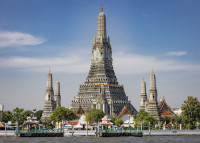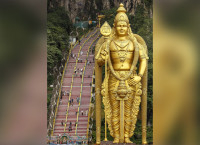
April marks the arrival of spring with a vibrant energy and a rich tapestry of Hindu festivals. The month that commenced with the auspicious Hanuman Jayanti will be followed by Hindu New Year celebrations—Baisakhi, Vishu, Puthandu, Poila Baisakh, etc. April offers a rich mix of religious observances, setting a positive tone for months ahead....
BAISAKHI | April 14
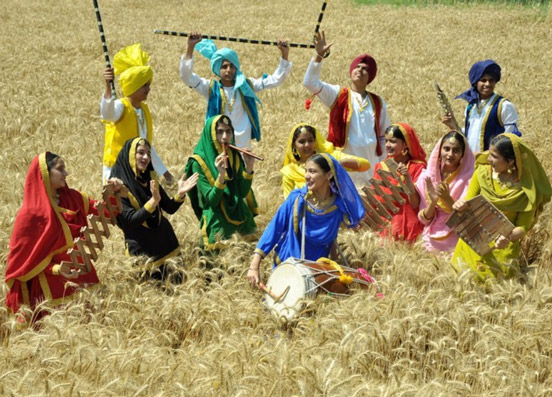
Also known as Vaisakhi, this is one of the most significant festivals celebrated in India, particularly in Punjab and among the Sikh community worldwide. It marks the beginning of the spring harvest celebration, the Punjabi New Year, and the foundation of the Khalsa Panth by Guru Gobind Singh in 1699.
In Punjab, the day begins with a visit to the gurdwaras (Sikh temples) for prayers, kirtans (devotional singing), and readings from the holy book, Guru Granth Sahib. Processions, or Nagar Kirtans, are organized, which include hymn chanting, martial arts performances, and displays of Sikh heritage.
Special langars (community feasts) are organized to serve free meals to devotees and the needy.
Traditional Baisakhi fairs are set up with food stalls, handicrafts, and cultural performances. Popular locations include Anandpur Sahib and Muktsar Sahib, where thousands gather for festivities.
Many Hindus also observe Baisakhi as a sacred day dedicated to worshipping Goddess Ganga. Pilgrims take holy dips in the river Ganga at places like Haridwar and Rishikesh.
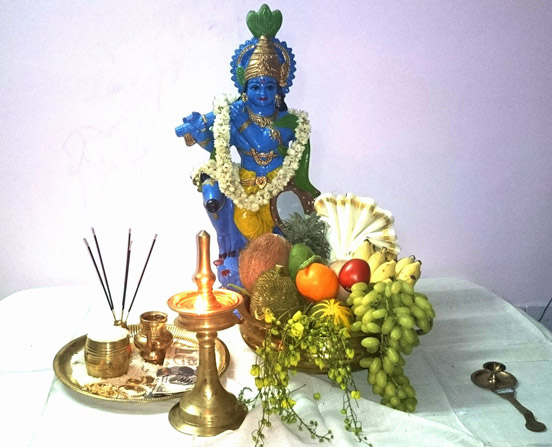
One of the most cherished traditions of the festival is Vishukani. (Photo courtesy: Wikimedia Commons)
VISHU | April 14
This is the traditional Hindu New Year festival celebrated in Kerala, signifying new beginnings, prosperity, and the agricultural cycle, characterized by the Vishukani ritual. This is the main ritual and involves arranging auspicious items—golden cucumber, coconut, fruits, flowers (Kani Konna), rice, and gold—alongside a mirror and lighted lamp in the prayer room. Families view this offering first thing in the morning to ensure prosperity.
Other rituals include Vishu Kaineettam - where elders give money to younger family members, Vishu Sadhya - a grand feast, featuring a mix of sweet, salty, sour, and bitter dishes, and setting off fireworks.
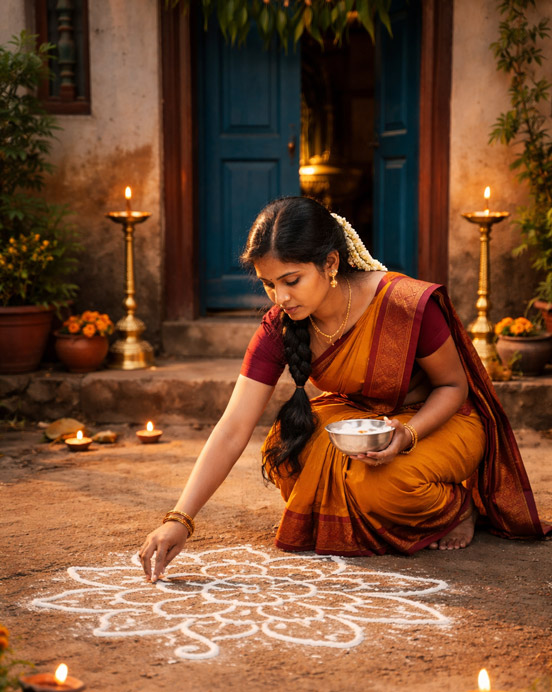
Homes are decorated with elaborate kolams on the Tamil New Year day. (Photo: AI-generated)
PUTHANDU | April 14
Also known as Tamil New Year or Varusha Pirappu, this festival marks the first day of the Tamil month Chithirai (April), and is celebrated in Tamil Nadu, Sri Lanka, and by Tamils worldwide. The day signifies fresh beginnings, prosperity, and joy, celebrated with families through special meals (like Mango Pachadi), elaborate kolams (rangolis), and visiting temples to seek blessings.
POILA BAISAKH | April 15
Also known as the Bengali New Year, the festival is widely observed in West Bengal, Tripura, and Bangladesh with cultural events, rituals, and festive gatherings. The day is considered an auspicious time for starting new ventures. Devotees visit temples, particularly to seek blessings for prosperity and success in the year ahead. Businesses also mark the occasion by opening new account books, a ritual known as 'Haal Khata'.
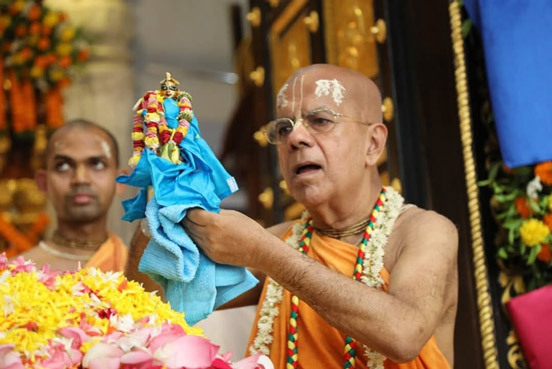
Sita Navami festival celebrations were led by ISKCON monk Gopal Krishna Goswami in Mumbai in 2018. (Photo courtesy: X@GopalKrishnaGos)
SITA NAVAMI | April 25
The sacred Hindu festival celebrates the birth of Goddess Sita, consort of Lord Ram and an incarnation of Goddess Lakshmi. The day honors her as an embodiment of purity, courage, and sacrifice. Married women observe a fast for the long life of their husbands and devotees offer flowers, fruits, and special prayers to the goddess.
Special celebrations are held in Ayodhya (Uttar Pradesh), Sitamarhi (Bihar), and Rameswaram (Tamil Nadu), involving processions, bhajan, and reading the Ramayana.
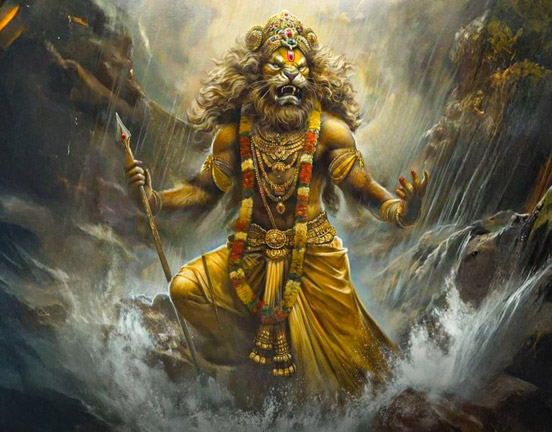
Lord Narasimha is the half-man, half-lion incarnation of Lord Vishnu. (Photo courtesy: X@Dev_Fadnavis)
NARASIMHA JAYANTI | April 30
A sacred Hindu festival celebrating the appearance of Lord Vishnu’s fourth avatar—Narasimha (half-man, half-lion)—to destroy the demon Hiranyakashipu and protect his devotee Prahlada. Devotees observe a fast, offer flowers, fruits, etc to the deity. Worshipping Lord Narasimha on this day is believed to remove obstacles, negate planetary afflictions, and destroy fears.