By Pradip Jain
Humanity today stands at the crossroads. The path of the future remains open, subject to a choice which has yet to be made. In this context, the International Year of Peace offers a rare opportunity for the international community, non-governmental organizations, academic institutions, and individuals all over the world to focus on the problems and prospects of peace. The three major dimensions of the program of the year peace and disarmament, peace and development, and preparation for life in peace, are illustrative of the many perspectives in which the pursuit of peace must be seen.
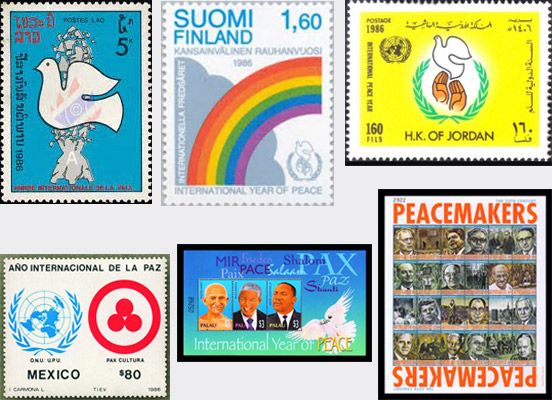
The International Year of Peace was recognized in 1986 by the United Nations. It was first proposed during the UN conference of November 1981 by the United Nations Economic and Social Council, with a date associated with the fortieth anniversary of the establishment of the UN.
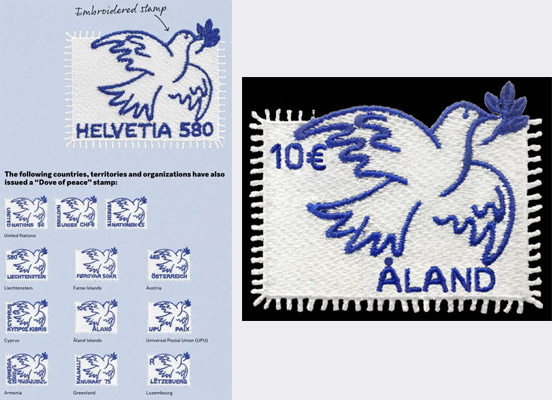
This year, the 2025 international initiative has launched the Dove of Peace stamp project to send a powerful message of peace to the world.
During its twenty-fifth conference, in 1986, the Red Cross recognized the International Year of Peace. In its 27th resolution of that conference, the Red Cross emphasized its goal "to prevent and alleviate human suffering, protect life and health, and to promote lasting peace and international cooperation".
The Indian Army’s participation in the United Nations Peacekeeping Operation spans a period of 55 years from 1950 onwards, covering 38 missions with 70,000 troops deployed. 109 soldiers laid down their lives to preserve peace for mankind.
(All images courtesy: Pradip Jain)