If you love samosas like I do, you’ll be glad to know that World Samosa Day is just around the corner. Every year on Sept. 5, samosa-lovers get together to enjoy the world’s greatest snack and introduce it to people who’ve never had it before. World Samosa Day was started in 2017 and the number of people celebrating this special day has grown from two in 2017 to seven in 2024. That’s a whopping 250 percent growth!
Actually, I do not know how many people celebrate World Samosa Day — it hasn’t been widely publicized — but samosas are extremely popular in some parts of the world, including South Asia and East Africa. Whenever my wife and I serve samosas at parties in our home, they disappear so fast that my wife has to set aside one for herself; otherwise she would have to steal one from the guy who has three on his plate, though she doesn’t consider it stealing to take food from a spouse.
In honor of World Samosa Day, I have decided to answer some frequently asked questions about this delectable snack.
What exactly is a samosa?
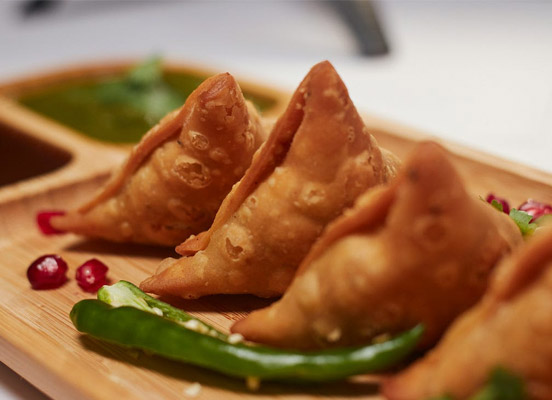
A samosa is a triangular pastry, often fried, with a savory filling that most commonly consists of spiced potatoes, onions and peas. Samosas may also be filled with meat or fish. They’re often served with tamarind or green chutney. Samosas do not have to be triangular; in some parts of the world, they’re crescent-shaped or conical, though samosa connoisseurs frown upon this.
Did samosas originate in India?
No, samosas originated in the Middle East about 700 to 1,000 years ago and were known in Arab cookery books by names such as “sanbusak,” “sanbusaq” and “sanbusaj.” Spelling variations continue to this day, as do differences in pronunciation. Some people say “sah-moo-sah,” others say “sah-more-sah,” while I prefer Oliver Twist’s pronunciation in his famous query: “May I have some-more-sir?”
When were samosas introduced to India?
It is believed that samosas were introduced to the Indian subcontinent sometime in the 13th or 14th century by chefs who came from the Middle East and Central Asia to cook in the royal kitchens of the Delhi Sultanate. They grew in popularity not just because of taste, but also portability, with princes and princesses saying to the chef, “May I have my samosas to go, please?”
How should I celebrate World Samosa Day?
The best way to celebrate is to have a samosa tasting party: invite a group of friends to taste a variety of samosas that they have thoughtfully brought to your home.
You may also call an Indian restaurant and urge the owner to celebrate World Samosa Day by offering free samosas all day. If you are unsure which Indian restaurant to call, write to me and I will give you the name and number of a restaurant near my home. I promise to eat a samosa on your behalf.
Should I wear anything special on World Samosa Day?
You may wear a World Samosa Day T-shirt, or any samosa-themed outfit, perhaps one bearing a message such as “I’m just here for the samosas,” “You had me at samosas,” and “Life, liberty and the pursuit of samosas.”
How healthy are samosas?
Gulnaaz Shaikh, chief dietitian at KIMS Hospitals in Thane, India, told Mid-Day newspaper that samosas are high in saturated fat and calories, and that “regular consumption can contribute to weight gain, high cholesterol, and other health issues if not balanced with a nutritious diet.” In other words, your doctor will never say to you, “You need to eat more samosas.”
What is the Samosa Caucus?
The Samosa Caucus is the name given to a group of Indian-American lawmakers in Congress, currently numbering six. They are the final authority on any samosa-related legislation in America. It is because of them that the 2015 Samosa Act was passed, mandating that all samosas be sold in brown paper bags. This reduces the risk of a samosa robbery. There is nothing worse than buying samosas and looking forward to eating them, only to run into a masked gunman who says, “Your samosas or your life!”