By Himanshu Rath
In the South Asian region, most elderly persons face immobility and incontinence issues in their advanced years.
As people age, the likelihood of experiencing disability increases due to the natural decline in bodily functions and the onset of chronic diseases. Disability in older persons encompasses a range of conditions, including mobility impairments, sensory deficits, cognitive decline, and chronic illnesses. Immobility, often resulting from these disabilities, refers to the inability to move independently, leading to a sedentary lifestyle.
Incontinence — the involuntary loss of bladder or bowel control — is another prevalent issue among the elderly. It is often linked to neurological disorders, muscle weakness, or cognitive impairments. These conditions not only affect the physical well-being of older persons but also have significant psychological and social implications.
Disability in older persons in South Asian region
Understanding disability and immobility in old age
Disability in older persons often results from a combination of chronic diseases, sensory impairments, and cognitive decline. Common conditions include osteoarthritis, stroke, dementia, and visual or hearing impairments. These disabilities can lead to immobility, increasing the risk of secondary complications such as pressure ulcers, infections, and deep vein thrombosis.
Challenges faced by disabled or bedridden elderly and their caregivers
Relationship between disability/immobility and mental health in old age
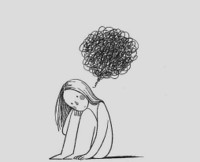
In old age, disability and immobility are closely linked to mental health challenges. Physical impairments such as arthritis, stroke, or general frailty often lead to reduced mobility. This physical decline can limit independence and restrict participation in social, recreational, and meaningful daily activities, all of which are essential for mental well-being. As a result, older persons with disabilities or limited mobility are at a higher risk of depression, anxiety, loneliness, and cognitive decline.
The psychological impact of losing autonomy can be profound. Many older persons may experience feelings of helplessness, frustration, or worthlessness, especially when they become reliant on others for basic needs. Social isolation — common among those with mobility limitations — further compounds these mental health issues by reducing social stimulation and emotional support.
Moreover, chronic pain or fatigue associated with physical disability can exacerbate mood disorders, while untreated mental health issues can, in turn, worsen physical symptoms, creating a vicious cycle. Addressing both the physical and psychological aspects of aging is crucial. Interventions such as physical therapy, mental health counseling, social engagement programs, and accessible environments can help mitigate these effects and improve the overall quality of life for older persons.
Support systems for the elderly with disabilities
What family members and caregivers can do
The role of society
Society plays a crucial role in supporting elderly persons. To promote inclusivity, public spaces must be made accessible to persons with disabilities. Volunteers should be encouraged to participate in community services that assist elderly persons. Moreover, society and relevant stakeholders must support legislation that ensures better healthcare and social services for the elderly.
Disability and immobility in old age present significant challenges, particularly in South Asia and India. While government schemes and community initiatives provide some support, there remains a pressing need for comprehensive healthcare, social inclusion, and active community engagement to enhance the quality of life for older persons.
By understanding the multifaceted issues that elderly people face — and taking coordinated action across person, family, community, and government levels — society can ensure that its older members live with dignity and purpose. With aging populations growing worldwide, addressing these issues is not just a regional need but a global priority for ensuring dignity and quality of life in old age for all.
|
Tips for disabled or bedridden elderly persons -- Maintain a routine: Establishing a daily schedule can provide structure and a sense of purpose. -- Engage in mental exercises: Activities like reading, puzzles, or listening to music can stimulate cognitive function. -- Stay connected: Regular communication with family and friends helps combat feelings of isolation. -- Physical therapy: If possible, engage in prescribed exercises to maintain mobility and prevent complications. |
-------------------------------------------
.jpg)
(The author is the founder of Agewell Foundation, a not‐for‐profit organization working for the welfare and empowerment of the elderly in India)