By Himanshu Rath
To ensure the continued participation of seniors in different strata of life, it is crucial to create environments that support their independence, health, and well-being.
In a rapidly changing world, where populations are aging at an unprecedented rate, the need for senior-friendly environments has become a critical issue across the globe. Undoubtedly, seniors are not only rich sources of knowledge, experience, and wisdom but also a treasure trove of financial resources and political power. Their contribution to the economy, industry, society, and politics is indisputably significant, and yet, they often struggle for due participation in mainstream society.
Older people have long been a pillar of strength in society. As a result of their vast life experience, they provide invaluable perspectives that guide decision-making across various sectors, from family to business, governance, and even technology. Beyond their intellectual contributions, seniors contribute financially to the economy by creating jobs, contributing to pension funds, or investing in industries that employ younger generations. Studies indicate that the global spending power of older people has grown significantly in recent decades. In the US alone, seniors' spending power was estimated at around $8.3 trillion in 2020.
Struggles for participation in mainstream society
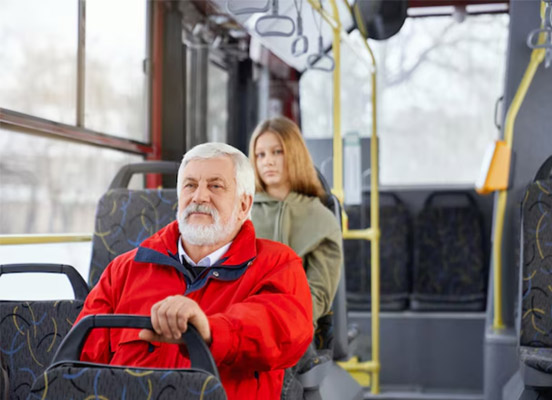
Despite the immense value older people bring to society, they are often excluded from fully participating in mainstream life due to age-related challenges. The primary barrier for many seniors is inadequate infrastructure, which hinders their ability to engage in daily activities and social interactions. The design of many urban spaces, transportation systems, and even
residential communities often prioritizes the needs of younger, more able-bodied individuals, leaving seniors to struggle with mobility issues, healthcare access, and social isolation.
In many parts of the world, the rate of aging is increasing rapidly, with more people living longer than ever before. According to the World Health Organization (WHO), the global population aged 60 years and older is expected to double by 2050, reaching approximately 2.1 billion people. This demographic shift poses significant challenges in terms of providing adequate support and ensuring that older people can continue to live fulfilling lives, free from unnecessary barriers.
Senior-friendly infrastructure in South Asian countries and around the world
While many high-income countries have begun to prioritize senior-friendly infrastructure, the same cannot be said for many South-Asian nations and developing regions, where a combination of economic constraints and a lack of awareness of the elderly's needs results in insufficient accommodations for this growing demographic.
In South Asia, countries like India, Pakistan, Bangladesh, and Sri Lanka are home to some of the fastest-growing elderly populations globally. In India alone, the elderly population is expected to reach 173 million by next year. However, the region faces significant gaps in terms of senior-friendly infrastructure. In rural areas, healthcare access remains a challenge, and social isolation is widespread due to traditional familial structures breaking down and the migration of younger people to urban centers in search of work.
In countries like Japan, South Korea, and Singapore, senior-friendly infrastructure has been integrated into public policy and urban planning. These countries have taken proactive steps, such as the introduction of elderly-friendly public transport systems, elderly housing projects, and community engagement programs that ensure seniors are an active part of social life.
Current scenario
The health infrastructure, particularly in low- and middle-income countries, often falls short of addressing the specialized needs of older people. The aging process brings with it a variety of health issues, including chronic diseases such as hypertension, diabetes, arthritis, and dementia.
Social isolation, a growing concern in many countries, is compounded by inadequate facilities for recreation, community engagement, and leisure activities tailored to seniors’ needs. The legal infrastructure, too, is often not sufficiently designed to protect seniors’ rights. Many older people are subject to elder abuse, whether physical, emotional, or financial.
Laws surrounding pensions, inheritance, and property rights are often outdated or unenforced, leaving seniors vulnerable to exploitation and discrimination.
Economically, the situation is even more dire in some parts of the world. In many South Asian countries, older people continue to face economic hardships, particularly in the absence of formal pension systems or retirement savings.
Why seniors need a friendly environment
To ensure the continued participation of seniors in different strata of life, it is crucial to create environments that support their independence, health, and well-being. A senior-friendly environment encompasses not only physical infrastructure but also social, economic, and legal systems that enable older people to live dignified lives.
>> Health and well-being | A senior-friendly environment allows for the effective management of health conditions. Accessible healthcare services, including specialized geriatric care, are essential for addressing the unique medical needs of older people. Additionally, having community spaces and recreational facilities designed for seniors promotes physical and mental health by encouraging exercise, socialization, and cognitive engagement.
>> Social inclusion | A senior-friendly environment fosters social engagement by creating spaces for intergenerational interaction and reducing the risk of social isolation. Senior-friendly policies can include community centers, senior citizen clubs, volunteer opportunities, and technology training programs to ensure that seniors remain active participants in social and cultural activities.
>> Economic empowerment | Seniors should be able to contribute economically, whether through continued employment, entrepreneurship, or volunteering. A friendly environment offers opportunities for seniors to remain financially independent, access appropriate employment, or engage in philanthropic ventures that benefit society as a whole.
>> Legal protection | A senior-friendly environment includes a robust legal framework that safeguards seniors' rights and protects them from abuse and exploitation.
Challenges of inadequate infrastructure
The challenges posed by poor infrastructure are multifaceted. Seniors often face mobility difficulties due to inadequate public transportation, poor road conditions, and a lack of senior-friendly facilities in public spaces. In many places, healthcare infrastructure is not geared toward the needs of older people, and access to specialist care is limited. Social isolation is another significant issue, particularly for seniors who live alone or are far removed from extended family members. Financial insecurity due to a lack of pensions or retirement savings also adds to the pressure on older individuals.
Role of concerned stakeholders
>> Governments must implement policies and regulations that mandate senior-friendly infrastructure, such as accessible public transportation, healthcare, and affordable housing.
>> Architects and urban planners need to design cities and communities that are accessible to people of all ages and abilities, ensuring that public spaces, roads, and transportation systems meet the needs of older people.
>> Healthcare providers must offer specialized care for older people, including geriatric services, mental health support, and home healthcare options.
>> Civil Society Organizations can advocate for the rights of seniors and provide critical support in areas such as elder abuse prevention, social inclusion, and financial literacy.
>> Families and local communities play a critical role in providing informal caregiving and creating a supportive environment for seniors, reducing the risks of isolation and neglect.
Creating senior-friendly environments, both in terms of infrastructure and social participation, is essential for ensuring that older people can continue to thrive and contribute to the world around them. By addressing the gaps in health, social, legal, and economic infrastructure, societies can ensure that older people remain active participants in all aspects of life.
Governments, communities, and individuals must work together to foster an environment where seniors can live independently, with dignity and respect, contributing to the growth and development of society as a whole.
-----------------------------

(Himanshu Rath is the founder of Agewell Foundation, a not‐for‐profit organization working for the welfare and empowerment of the elderly in India)