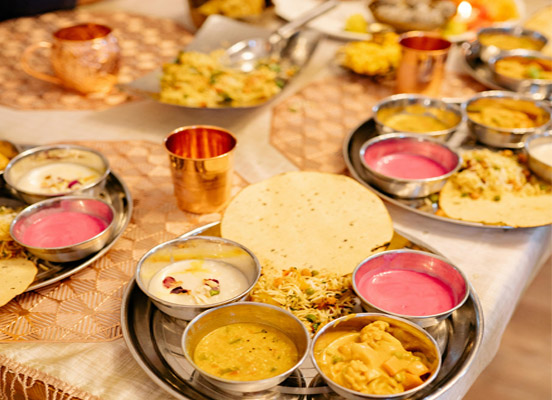
In a comprehensive nationwide study, the Indian Council of Medical Research-India Diabetes (ICMR-INDIAB) has unveiled concerning trends in the Indian diet that correlate with escalating rates of diabetes and obesity.
The study, encompassing 1,21,077 adults across the country, highlights a significant dietary shift towards high carbohydrate consumption, particularly from low-quality sources, coupled with inadequate protein intake. These dietary patterns are identified as major contributors to the increasing prevalence of metabolic disorders in the country.
In India, over 60 per cent of all deaths are attributed to non-communicable diseases (NCDs), and this threat is growing with lifestyle and dietary changes. "The leading causes are cardiovascular diseases (27%), followed by chronic respiratory diseases (11%), cancers (9%), diabetes (3%), and other conditions, including obesity (13%)," according to official estimates. The crisis is so acute that the Prime Minister himself had spoken of "the need for nationwide awareness and collective action to reduce obesity" earlier this year.
Considering the risks of the rising obesity and diabetes epidemic in India, taking a closer look at dietary patterns becomes essential. Understanding what people are eating, in what quantities, and the quality of those foods is crucial to addressing the root causes of these metabolic disorders. The prevalence of high-carbohydrate, low-protein diets, excessive sugar consumption, and insufficient healthy fats is not just a statistic; it directly shapes the health outcomes of millions of Indians across all age groups.
The ICMR-INDIAB study reveals that the average Indian diet comprises approximately 62 per cent carbohydrates, one of the highest proportions globally. This carbohydrate intake predominantly stems from refined sources such as white rice, milled whole grains, and added sugars. Regional variations indicate that white rice is a staple in the South, East, and Northeast, while wheat is more prevalent in the North and Central regions. Despite the popularity of millets, their consumption remains limited to only three states: Karnataka, Gujarat, and Maharashtra.
"Data from the current study along with previous surveys, confirm that Asian Indians consume high amounts of carbohydrates. Our results show that white rice is the most popular primary cereal staple (61% of population) followed by whole wheat flour (34%), with only a small percentage using millet flour. Because of the Green Revolution (introduction of high-yielding varieties of wheat and rice in developing countries, leading to major increases in the production of these foodgrains) in the 1960s, there has been a decrease in millet consumption, and an increase in rice and wheat consumption," (sic.) it said.
Concurrently, the study identifies a concerning trend of low protein intake, averaging just 12 per cent of daily calories. Most protein sources are plant-based, including cereals, pulses, and legumes, contributing 9 per cent of daily energy. Dairy and animal proteins contribute a mere 2 per cent and 1 per cent, respectively. This suboptimal protein consumption is particularly pronounced in the East and Northeast regions.
The research also highlights excessive intake of added sugars, highlighting that India accounted for 15 per cent of the global sugar consumption, with 21 states and union territories surpassing the recommended limit of less than 5 per cent of total daily calories. Saturated fat intake exceeds the advised threshold of 7 per cent of total energy in all but four states - Jharkhand, Chhattisgarh, Arunachal Pradesh, and Manipur. Conversely, the consumption of healthier fats, such as monounsaturated and omega-3 polyunsaturated fats, remains low across the country.
The study shared that these dietary imbalances are strongly associated with an increased risk of metabolic disorders. The study's findings indicate that higher carbohydrate intake correlates with a 14 per cent higher likelihood of newly diagnosed type 2 diabetes.