By: Krishiv Shah
On January 19, 2025, TikTok made a sudden and surprising return to the United States just hours after its abrupt shutdown. Users were greeted with a notification that read, “Thanks for your patience and support. As a result of President Trump’s efforts, TikTok is back in the U.S.!” The announcement ended a brief yet chaotic disruption, with many expressing relief that one of the world’s most popular social media platforms was reinstated.
Globally, TikTok boasts a staggering 1.925 billion users, including over 170 million active monthly users in the United States alone. Its rapid rise has outpaced the growth of platforms like Facebook and Instagram, cementing TikTok as a digital powerhouse. For countless creators, the platform is not just an outlet for creativity but a vital source of income, while for everyday users, it’s a primary hub for entertainment, news, and cultural content.
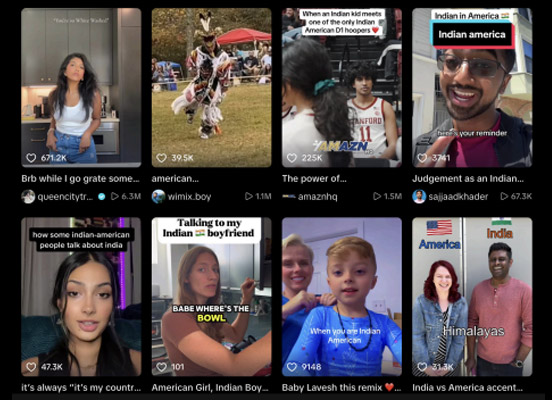
As an Indian American, TikTok’s role in my life goes far beyond scrolling for laughs or viral trends—it’s been a transformative tool in helping me connect with my heritage. Growing up in a bicultural environment often meant grappling with questions of identity and belonging. TikTok bridged this gap, providing a space where I could celebrate my roots and discover others navigating similar experiences.
One of the most vibrant aspects of TikTok for the Indian diaspora is the community that has formed around hashtags like #Brown or #BrownTikTok. These tags bring Desi creators together, showcasing everything from intricate Bollywood dances and traditional Indian outfits to mouthwatering home-cooked meals and humorous takes on life with immigrant parents. They create a tapestry of shared experiences that make us feel seen, understood, and proud of our heritage.
This communal celebration has been instrumental in building a sense of belonging for Indian Americans, particularly for those who often feel disconnected from their culture. Watching someone else fold samosas on their feed or crack jokes about Diwali mishaps fosters a kind of kinship that’s hard to replicate elsewhere.
The brief shutdown of TikTok highlighted just how ingrained it has become in our daily lives. It’s not just a platform for entertainment—it’s a space for cultural exchange, personal growth, and even activism. From learning about political issues to supporting marginalized voices, TikTok is far more than the sum of its viral trends.
(Krishiv Shah, the founder and submission coordinator of Kaleidoscope, is an Indian-American senior at Syosset High School with aspirations to pursue a degree in South Asian Studies and Business)