By Aashna Shah
India is renowned for its beauty and vibrant culture. Yet beneath the surface lies a little-known reality: the story of thousands of girls whose lives were transformed by age-old traditions.
Once regarded as a sacred practice, the Devadasi system evolved into a form of social and economic exploitation that continues to affect women and girls in some parts of India today.
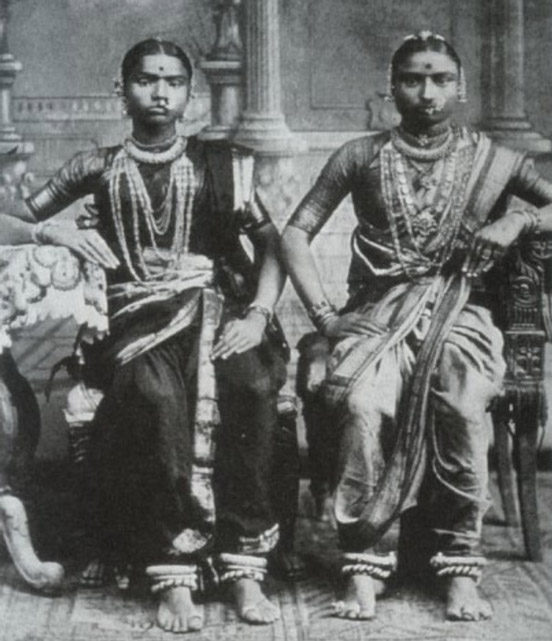
The word "Devadasi" translates to "servant of God." Historically, young girls were dedicated to a deity and served in temples through music, dance, and religious rituals.
During its early years, Devadasis often held respected positions in society. They were trained in classical arts, preserved important cultural traditions, and contributed significantly to religious life.
Over time, however, the system underwent a dramatic transformation. As kingdoms declined and temples lost financial support, many Devadasis lost their social standing and protection.
In numerous communities, especially among marginalized and lower-caste groups, girls were dedicated at a young age, often without their consent. What was once presented as a religious obligation increasingly became a cycle of poverty, discrimination, and exploitation.
Many families, struggling with economic hardship, believed dedicating a daughter would bring blessings or financial stability. Instead, countless girls were denied access to education, opportunities, and the freedom to choose their own futures.
Generations of women became trapped in circumstances that limited their independence and exposed them to social stigma.
Despite legal bans, challenges remain. In some rural regions, poverty, caste discrimination, and deeply rooted social traditions continue to contribute to the persistence of the practice.
As a result, activists emphasize that ending the Devadasi system requires more than legislation; it requires education, economic opportunity, and a commitment to protecting the rights and dignity of every girl.
By learning about the experiences of Devadasi women and raising awareness about the challenges they continue to face, society can help promote equality, protect vulnerable communities, and ensure that every girl has the opportunity to build her own future.
(Aashna Shah is an Indian American sophomore at Syosset High School interested in business and storytelling. She hopes to use the Kaleidoscope as a pathway to uplift underserved communities.)