By John Di Leonardo
"The tragic and preventable death of our beloved nephew Romanch Mahajan has left our family completely shattered."
Those heartbreaking words from the family of 18-year-old Indian tourist Romanch Mahajan remind us that the Jain principle of ahimsa—nonviolence toward all living beings—is more than a personal virtue. It is a call to confront systems that inflict preventable suffering.
Romanch traveled from India to New York City with his family to celebrate his recent high school graduation. Instead of returning home with cherished memories, his family returned home in mourning after Romanch was tragically killed when he was thrown from a horse-drawn carriage in Central Park. According to his family, in his final moments, Romanch acted instinctively to protect his mother—a final act of selflessness that reflected the remarkable young man he was.
His family described his death as "tragic and preventable," stating that it "was not an unpredictable accident. It was the direct result of a severe safety violation and systemic failure to protect tourists."
Just one week before Romanch's death, another carriage horse, Deniz, collapsed and died while pulling tourists through Central Park. Determined that no other family would endure the same heartbreak, the Mahajan family has urged New York City to pass legislation now renamed Romanch's Law. Originally introduced as Ryder's Law following the death of another carriage horse, Ryder, the bill now bears Romanch's name in recognition that this cruel industry has taken the lives of both horses and people. If enacted, Romanch's Law would permanently end New York City's horse-drawn carriage industry, protecting both horses and the millions of residents and tourists who visit the city each year.
After learning carriage rides would resume just days after the tragedy, Romanch's uncle, Gaurav Mahajan, wrote to Mayor Zohran Mamdani: "Allowing these carriages back onto the streets while our family is planning a funeral proves that the city values an antiquated novelty over human life." He concluded, "Our family will not rest until these carriages are gone for good."
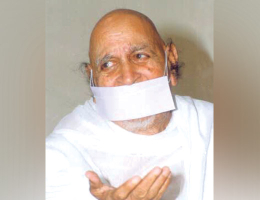
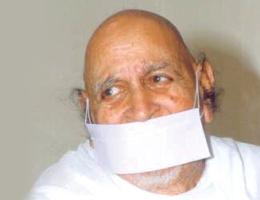
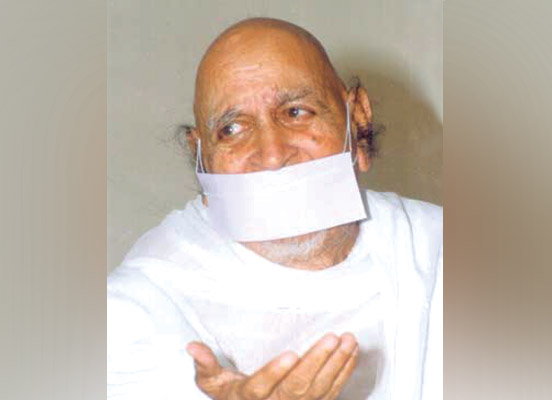
The Anuvrat Movement, founded by Acharya Tulsi in 1949, teaches that lasting social change begins with small, personal vows. When we witness preventable suffering, neutrality is not compassion. Even a small vow—to speak up, submit testimony, or refuse to support cruelty—can help transform society.
Horse-drawn carriage rides have long endangered both horses and the public. Horses are compelled to navigate one of the world's busiest cities amid traffic, noise, extreme weather, and countless unpredictable hazards. When things go wrong, both animals and people pay the price.
I invite New Yorkers to join me at the New York City Council hearing on Romanch's Law at New York City Hall on Wednesday, July 15, at 10:00 a.m. If you cannot attend, submit written testimony to [email protected] with the subject line "Intro 0943-2026 Testimony, July 15, 2026." Readers in India and around the world can also make their voices heard. Tell the Council that New York City's continued operation of horse-drawn carriages influences your travel decisions and that you will not visit New York City until this cruel industry is permanently abolished.
The Mahajan family's courage has transformed unimaginable grief into a call for compassion. Whether you live in New York, New Delhi, or anywhere else in the world, you can help ensure that Romanch's legacy inspires lasting change. Anuvrat reminds us that history is often changed not by one great act, but by thousands of small vows taken together. Let yours be one of them.
John Di Leonardo is the founding director of Humane Long Island. He was previously the Senior Manager of Grassroots Campaigns and Animals in Entertainment Campaigns for People for the Ethical Treatment of Animals (PETA). He has a Master's degree in Anthrozoology from Canisius College. He also earned a graduate certificate in Jain Studies from the International School of Jain Studies (ISJS) in India. John can be reached at [email protected].