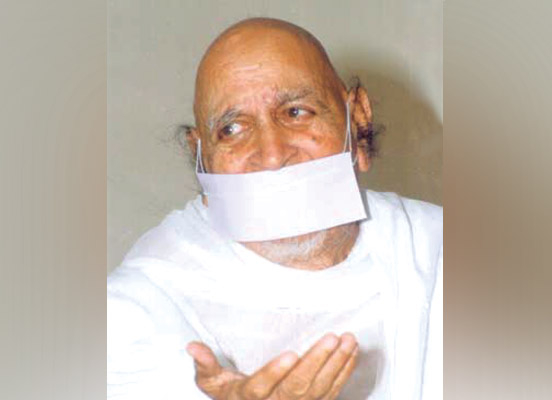
As Jains, we are taught that every living being—human, elephant, bird, or sloth—possesses a soul worthy of compassion and respect. Ahimsa, nonviolence toward all living beings, is not merely a philosophy; it is a way of life that calls us to act whenever animals are suffering.
That conviction recently brought me from Long Island, New York, to Margate, Florida, where I joined residents and advocates opposing a proposed exotic animal attraction that would exploit sloths and other wild animals for profit. The venture was being advanced by Commissioner Tommy Ruzzano for his friend Larry Wallach, whose Sloth Encounters operation Humane Long Island helped shut down in New York after investigations revealed sloths being struck by staff, fighting in overcrowded conditions, and biting back. When I learned Wallach was seeking a fresh start in Florida, I felt a duty grounded in ahimsa to speak out. Compassion does not end at state lines, and Margate deserved to know the truth before becoming the next chapter in this troubling story.
Aparigraha, or non-possessiveness, reminds us that the desire to possess, control, or profit from other beings often leads to harm. Sloths are not toys, props, or photo opportunities. They are highly specialized rainforest animals who survive through stillness rather than strength or speed. Their slow movements help them avoid predators, conserve energy, digest leaves, and blend into the canopy as entire ecosystems grow on their backs.
When threatened, sloths do not flee or fight. They freeze.
That survival strategy often misleads people into believing sloths enjoy being held or displayed for photographs. In reality, sloths are solitary animals. They are not social, cannot be domesticated, and experience humans much as they would any large potential predator. The stillness people interpret as happiness is often fear. As Jains, we are called to look beyond appearances and consider the experience of the other living being.
I was encouraged to witness Floridians embracing these values, whether or not they knew them by their Jain names. Residents packed a city commission meeting to oppose the proposal. Commissioner Joanne Simone courageously highlighted Wallach's history, reading dozens of USDA violations and even playing footage of him electroshocking a young tiger. Following overwhelming public opposition, the City of Margate prohibited Wallach from bringing exotic animals onto city property—a victory for animals and compassionate public policy.
In Jainism, we also embrace anekantavada, the understanding that truth can be viewed from many perspectives. Many people who visit animal encounters genuinely love animals and want to connect with them. Yet when we consider the animal's perspective, we are challenged to ask: What is best for the animal, not merely what is enjoyable for us? That shift is often where compassion begins.
Acharya Tulsi's Anuvrat Movement teaches that social change begins with small personal commitments. As I reflect on Florida, I invite readers to make an Anuvrat—a small vow—for animals. Perhaps your vow will be to avoid attractions that exploit wild animals, support in-situ conservation, educate others, or simply pause to consider the impact of your choices on other living beings.
Small vows create powerful change. Together, we can build a world that reflects ahimsa—where compassion extends beyond our own species and every living being is treated with dignity and respect.
What Anuvrat will you make today?
-----------------------------------------------
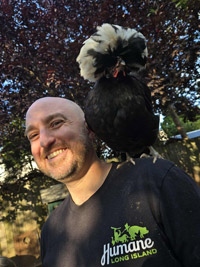
John Di Leonardo is the founding director of Humane Long Island. He was previously the Senior Manager of Grassroots Campaigns and Animals in Entertainment Campaigns for People for the Ethical Treatment of Animals (PETA). He has a Master's degree in Anthrozoology from Canisius College. He also earned a graduate certificate in Jain Studies from the International School of Jain Studies (ISJS) in India. John can be reached at [email protected]. (Photo courtesy: John Di Leonardo)