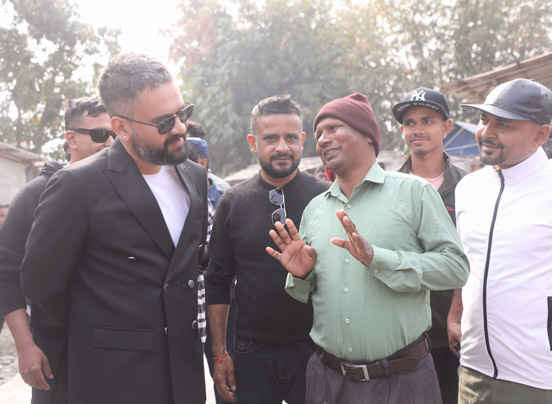
Kathmandu: As counting of votes concluded in 163 electoral constituencies out of 165 under the First-Past-the-Post (FPTP) system in Nepal's parliamentary elections on March 9, the Rastriya Swatantra Party (RSP) secured nearly 76 per cent of the seats in the House of Representatives in a sweeping electoral victory.
The three-and-a-half-year-old party, led by its President Rabi Lamichhane and Prime Ministerial candidate Balen Shah, secured victory in 125 seats, as one heavyweight leader after another from traditional political parties - including former Prime Minister K P Sharma Oli - fell before the RSP wave sweeping the country.
Shah, the former Mayor of Kathmandu Metropolitan City, secured victory against Oli with 68,348 votes - the largest vote tally by any candidate in Nepal's parliamentary history - from Jhapa-5 constituency in eastern Nepal, which had long been considered Oli's stronghold.
Analysts attribute the RSP’s sweeping victory to a strong anti-establishment mood, particularly among younger voters frustrated with corruption and political instability.
Will work with India to strengthen bilateral ties: Balen ShahNepal's prime ministerial candidate Balendra Shah expressed confidence in further deepening "historic" Nepal-India ties and making them more "outcome-oriented". Shah made the remarks in a social media post while thanking Prime Minister Narendra Modi for his wishes on the party's electoral success. "Thank you for the good wishes, honorable Prime Minister Narendra Modi ji. I express my confidence that we will work together to further strengthen, deepen and make more outcome-oriented the historic, close, and multi-dimensional relations existing between Nepal and India in the coming days," he said. |