In India, each region has a unique way of marking the Hindu New Year. While the celebration is known by different names across India, it essentially marks the beginning of the new agricultural season. From Bihu in Assam, Vishu in Kerala, and Baisakhi in Punjab to Puthandu in Tamil Nadu and Pohela Boishakh in Bengal, vibrant celebrations unfold across the country.
Occurring around April 13–15, these festivals, also observed by Indians abroad, involve wearing new clothes, feasting, traditional dances, and rituals to welcome prosperity. A few glimpses from this year's celebrations...
---------------------------------------
.jpg)
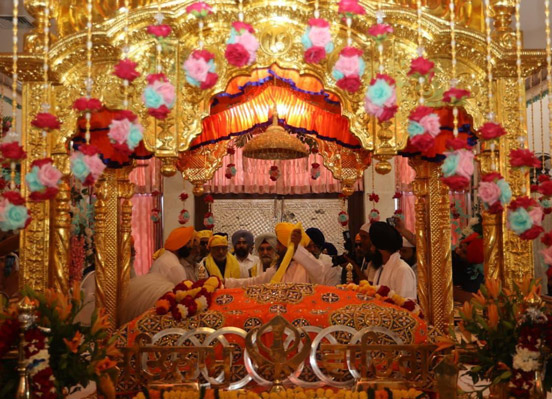
Baisakhi and Hola Mohalla celebrations at the Takhat Sachkhand Sri Hazur Abchalnagar Nagar Sahib in Nanded, Maharashtra. (Photo courtesy: X@Shrihazursahib)
---------------------------
.jpg)
Prime Minister Narendra Modi celebrated Puthandu, or Tamil New Year, with Vice President C P Radhakrishnan and prayed for a wonderful year ahead, filled with good health and happiness. (Photo courtesy: X@narendramodi)
----------------------------------
.jpg)
Vishu, or Malayalam New Year, celebrations started in Kerala with the Vishukkani ritual - a vibrant and meaningful display of symbolic items, each representing good fortune, prosperity, and divine blessings. (Photo courtesy: X@HinduAmerican)
----------------------------
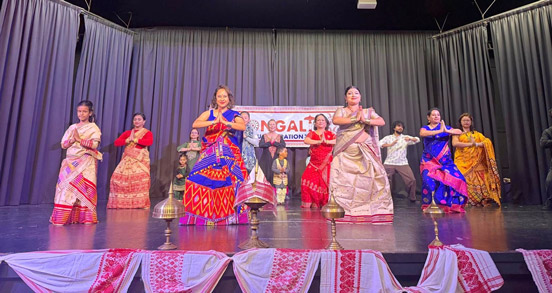
Rongali Bihu was organized by the Assam Society of New Zealand in Auckland on April 15. The event featured vibrant cultural performances to celebrate the start of the Assamese New Year in mid-April during the Assamese month of Bohag. (Photo courtesy: X@IndiainNZ)
-------------------------------
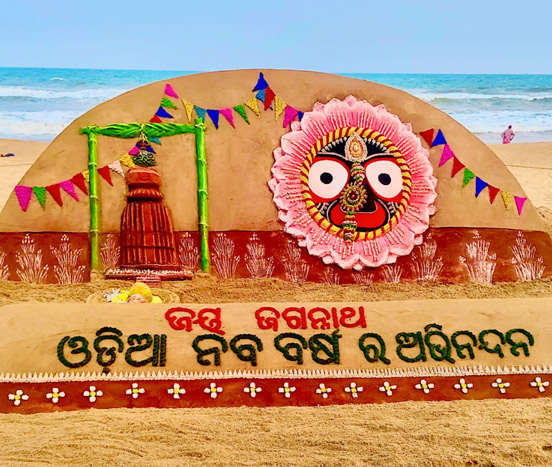
A sand art dedicated to Lord Jagannath by Sudarsan Pattnaik on Puri Beach, marking the Odia New Year, or Pana Sankranti, symbolizing renewal, prosperity, and the onset of summer. (Photo courtesy: X@sudarsansand)
---------------------------
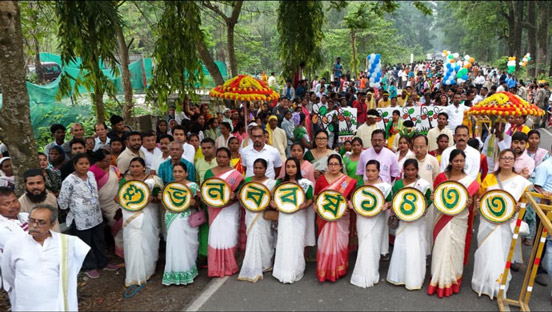
Pohela Boishakh celebrations in West Bengal on April 15. The first day of the Bengali New Year marks the onset of the harvest season and fosters cultural unity. It highlights Bengali heritage, tradition, and new beginnings. (Photo courtesy: Mamata Banerjee/Facebook)