Kathmandu: More than 18 million Nepalese are exercising their vote on March 5 to elect their new leader - a first after the Gen-Z protests brought down the coalition government led by KP Sharma Oli last year. A look at the major political parties shaping Nepal's electoral landscape.
Communist Party of Nepal (Unified Marxist–Leninist) [CPN-UML]
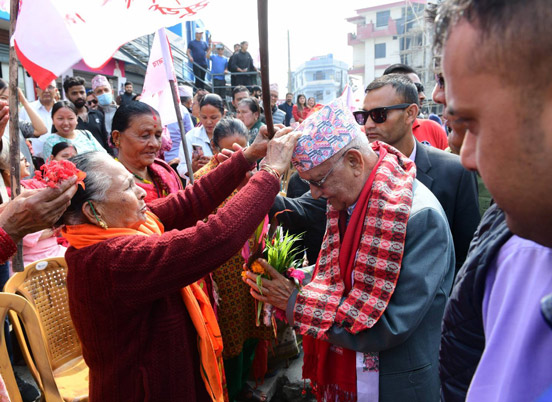
Led by former Prime Minister KP Sharma Oli, this party remains a strong force. Oli resigned last September due to growing public anger over corruption and inequality. His party secured the maximum number of seats in the previous election.
Nepali Congress (NC)
Nepal's oldest democratic party, NC, has played a central role in the country's transition from monarchy to a federal democratic republic. This party nominated its new leader, Gagan Thapa, in place of former Prime Minister Sher Bahadur Deuba. The party has assured to deliver good governance in the country and has proposed to conduct an inquiry into the assets of public servants since 1990.
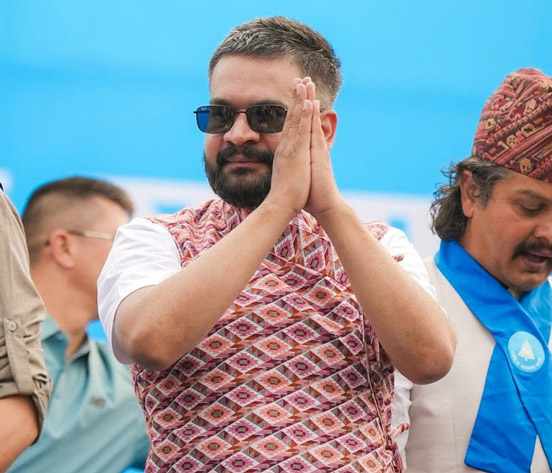
Balendra Shah tasted his first political victory in 2022, when he was elected Kathmandu's first independent mayor. (Photo courtesy: X@ShahBalen)
Rashtriya Swatantra Party (RSP)
RSP's prominent face is 35-year-old Balendra Shah, popularly known as Balen. The former Kathmandu mayor is contesting from Jhapa 5, which has traditionally been Oli’s stronghold. Shah is seen as the RSP’s prime ministerial face and represents a younger leadership style.
Largely focused on governance reform and anti-establishment messaging, RSP's organizational structure remains limited, with a stronger presence in Kathmandu and Pokhara compared with other parts of the country.
Rastriya Prajatantra Party (RPP)
RPP occupies a distinct position in Nepal's political landscape. The party advocates for the reinstatement of the constitutional monarchy and the declaration of Nepal as a Hindu state.
Nepali Communist Party (NCP)
The Nepali Communist Party, under the leadership of former Maoist leader Prachanda, is also in the contest and continues to hold influence. NCP had played an important role in creating an enabling election environment, Dahal, also a former prime minister, said, adding that he was confident history would certainly evaluate that contribution.