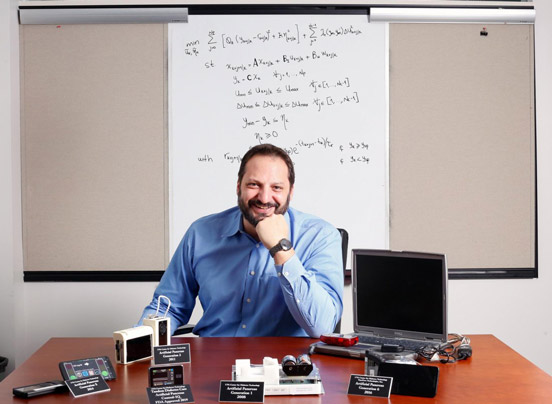
New York: A University of Virginia Center for Diabetes Technology-developed algorithm – paired with a continuous glucose monitor – can help users better manage their type 2 diabetes by recommending insulin-dose adjustments, a new study found.
In a clinical trial, 30 participants were randomly assigned to make insulin adjustments for 16 weeks based either on weekly recommendations from the algorithm and glucose monitor or by self-monitoring their blood-sugar levels.
Participants who used the algorithm saw their average time spent in a safe blood-sugar range increase from 54.1% to 75.3%. Participants who self-monitored their blood sugar saw their average time spent in a safe blood-sugar range increase only from 50.2% to 55.3%.
“These results clearly show that diabetes technology and advanced algorithms can be leveraged to great effects, well beyond the classical paradigm of automated insulin delivery,” said Marc D. Breton, the study’s lead author and associate director of research at the UVA Center for Diabetes Technology.
As continuous glucose monitoring and connected medical devices become ubiquitous, we have the opportunity to provide highly personalized advice and monitoring to people with diabetes and guide their use of insulin and medications.
"Showing the impact of these technologies in early insulin therapy (only one dose a day) opens the door to helping the vast majority of people using insulin, well beyond what we were able to achieve with automated insulin delivery,” said Breton.