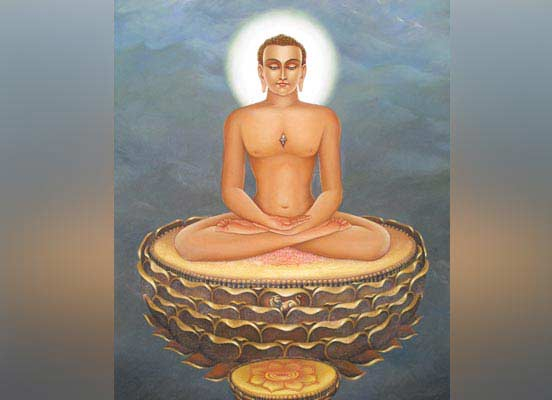
Paryushan encourages Jains across the globe to set aside their worldly affairs and dedicate some days to spiritual growth.
By Pradip Jain
Paryushan is a significant Jain celebration that offers a profound chance to mend our relationships and renew our inner strength. It inspires us to move forward with greater courage and a deeper sense of accountability. More than a religious observance, it serves as a transformative period—an invitation to elevate the way we live, think, and connect with others.
Paryushan in 2025 for Shwetambar Jains, begins on August 21 and concludes on August 28 with Samvatsari, the sacred day of seeking forgiveness. Digambar Jains observe Das Lakshan Parv from August 28 to September 6, dedicating each day to a specific virtue such as truth, humility, and renunciation.
For most of the year, we are immersed in the demands of our careers, families, and worldly responsibilities. In the midst of this constant activity, we unknowingly accumulate emotional and mental clutter—pride, fear, resentment, greed, ego, and illusion cloud our thoughts and relationships. Paryushan offers a rare and sacred opportunity to pause, reflect, and cleanse. It is a spiritual bonfire, a time to burn away the inner debris that weighs us down. These eight days, thoughtfully designed by the Jain tradition, are a period of introspection, purification, and renewal.
In today’s fast-paced world, this festival holds profound relevance. When we grasp the true essence of Paryushan, we not only celebrate it but also embark on a transformative inner journey.
In our modern lives, it’s almost inevitable that we’ve hurt or offended others—sometimes without even realizing it. Yet we rarely stop to acknowledge or address these moments. Paryushan invites us to do just that. It encourages Jains across the globe to set aside their worldly affairs and dedicate these days to spiritual growth. Many observe fasts, engage in rituals like Pratikraman, retreat into silence, and study sacred texts such as the Kalpasutra. Evening Pratikraman, often held in community centers, becomes a collective act of reflection. The final day, Samvatsari, marks the culmination of this spiritual effort, and its extended Pratikraman is considered the pinnacle of the festival. Every Jain is encouraged to participate in this cleansing ritual at least once.

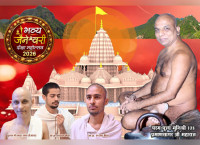
Child ascetic Ratna Kumari Kaira Atur Shah, At the age of 11, she has successfully completed the Masaksham Tapa - a 30-day fast, that too in silence. Her amazing penance is a unique example of self confidence and faith. (Photo courtesy of the author)
The heart of Paryushan lies in the practice of forgiveness. In Jain philosophy, forgiveness is the highest virtue of the soul—encompassing generosity, humility, and compassion. During Paryushan, Jains declare that no conflict, quarrel, or resentment should persist beyond a year. It is a time to heal wounds, resolve disputes, and embrace unity. Forgiveness becomes the bridge to friendship, and friendship is the foundation of unconditional love, enduring relationships, and respect for all living beings. Within this sanctuary of friendship, peace reigns supreme.
On the final day, Jains observe a 24-hour fast dedicated to forgiveness. During this fast, the forgiveness prayer is recited: Khamemi Savva Jivva — “I forgive all living beings, and I seek forgiveness from all whom I may have harmed knowingly or unknowingly. I declare friendship with all; I harbor enmity toward
none.”
The next morning, before breaking the fast, every Jain is encouraged to personally seek and offer forgiveness to as many people as possible—friends, relatives, acquaintances, and even business contacts. For those who cannot be reached in person, letters are sent. Special attention is given to unresolved conflicts, as the fast cannot be broken until forgiveness has been exchanged. Just as a small wound must be treated before it festers, a minor misunderstanding must be addressed before it grows into something destructive. Timely resolution is essential for personal and communal well-being.
We must cultivate a way of life that reduces friction and fosters empathy. Practicing forgiveness and embracing the principle of Ahimsa—non-violence in thought, word, and deed—is vital. When a harsh or judgmental thought arises, we must become aware of it and challenge it. The seeds of conflict are sown in the mind, and forgiveness requires tolerance, acceptance, and non-interference in others’ lives.
A parable illustrates this beautifully: A loofah bird, nestled in her warm home, saw a monkey shivering in the rain. She said, “You have hands, a brain, and energy. Why not build a shelter?” The monkey, offended by the unsolicited advice, destroyed her nest in anger. The lesson is clear—we must neither interfere like the bird nor react destructively like the monkey.
In today’s world, conflict is everywhere, often fueled by divisive language and political rhetoric. From parliaments to media, negativity flows unchecked. This environment makes forgiveness difficult. Yet, when we look at long-standing global disputes—from Northern Ireland to Kashmir—we see the urgent need for reconciliation. If the principles of Paryushan were applied to politics, we would be compelled to set deadlines for peace, embrace compromise, and prioritize forgiveness.
Let us envision Paryushan as a universal week of peace and reconciliation. The Jain Forgiveness Prayer reminds us: “I forgive those who have injured me, and I seek forgiveness from all whom I may have harmed. I declare friendship with all living beings and enmity toward none.”
In an interconnected world, where nations are neighbors, we must shift our focus from military might to peace-building. Celebrating Paryushan globally could be a meaningful step in that direction—starting with ourselves. Jains must no longer keep Jainism confined within their community. It’s time to share its wisdom. Opening Paryushan to the world as a week of peace and purification could be a powerful beginning. We must strive for peace within ourselves, with others, and with nature.
Pradip Jain is the President of Jain Sangh, Patna, India