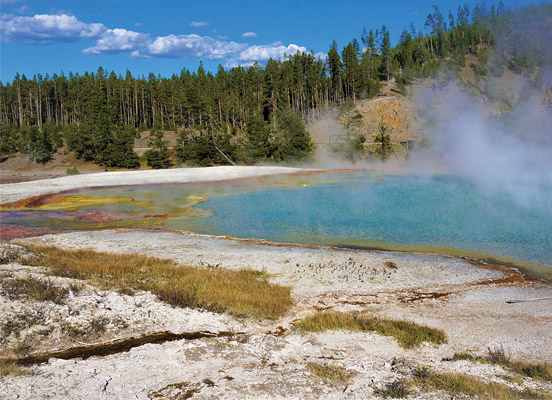
Preserving more than 85 million acres of pristine wilderness, America’s celebrated National Park System offers an unmatched tapestry of geological wonders, vibrant ecosystems, and untamed landscapes that define the nation’s soul.
The United States is home to one of the world’s most celebrated systems of protected wilderness. Spanning more than 85 million acres across mountains, deserts, forests, wetlands, coastlines, and volcanic landscapes, the U.S. National Park System preserves some of the planet’s most extraordinary natural treasures.
From the geysers of Wyoming to the granite cliffs of California and the glaciers of Alaska, America’s national parks offer visitors an unmatched opportunity to experience nature at its most spectacular.
Why National Parks Matter
Beyond their beauty, America’s national parks play a critical role in conservation, education, and recreation. They preserve endangered ecosystems, protect wildlife habitats, safeguard cultural heritage, and provide opportunities for millions of people to connect with nature. At a time when urbanization and technology increasingly dominate daily life, national parks offer something rare: silence, perspective, and a reminder of the immense natural forces that shaped the continent. They inspire stewardship, foster appreciation for the environment, and serve as living classrooms for future generations. From Yellowstone’s geysers and Yosemite’s granite cliffs to Denali’s wilderness and Acadia’s rugged shores, the best national parks in the United States represent the very best of America’s natural heritage. They are more than tourist destinations—they are national treasures, preserving landscapes that continue to inspire wonder, adventure, and discovery. For travelers seeking the soul of America, there is no better place to begin than its national parks.
With 63 national parks spread across the country, choosing the best can be a challenge. Yet a handful stand out for their breathtaking scenery, ecological significance, recreational opportunities, and enduring appeal. These are the parks that define America’s natural heritage and inspire millions of visitors every year.
Yellowstone National Park: The Original Wonder
No discussion of national parks can begin anywhere but Yellowstone. Established in 1872, Yellowstone became the world’s first national park and laid the foundation for the global conservation movement. Spanning nearly 2.2 million acres across Wyoming, Montana, and Idaho, Yellowstone is a geothermal wonderland unlike any place on Earth.
The park contains more than half of the world’s active geysers, including the iconic Old Faithful. Visitors encounter colorful hot springs, bubbling mud pots, steaming fumaroles, dramatic canyons, waterfalls, and vast wilderness. Equally remarkable is Yellowstone’s wildlife. Bison roam freely across open valleys, while elk, wolves, grizzly bears, moose, and bald eagles thrive within the protected ecosystem. For many travelers, Yellowstone represents the ultimate American wilderness experience.
Yosemite National Park: Nature’s Cathedral
Nestled in California’s Sierra Nevada Mountains, Yosemite National Park is renowned for its towering granite cliffs, giant sequoias, and breathtaking waterfalls. The park’s centerpiece, Yosemite Valley, is one of the most photographed landscapes in the world.
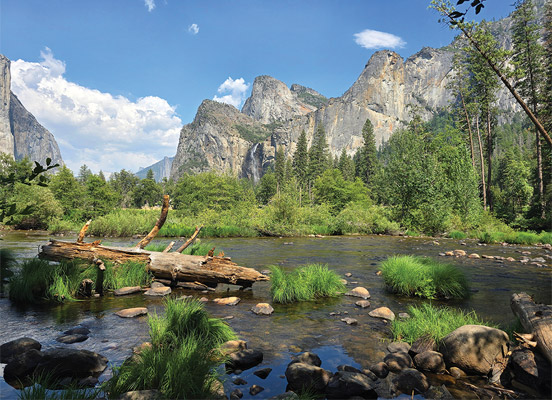
(Photos courtesy: www.pexels.com)
assive rock formations such as El Capitan and Half Dome rise dramatically above lush meadows and winding rivers. During spring, waterfalls including Yosemite Falls, Bridalveil Fall, and Vernal Fall thunder down cliff faces swollen by melting snow. Yosemite’s combination of accessibility and grandeur has inspired generations of artists, photographers, and conservationists, including legendary naturalist John Muir.
Glacier National Park: The Crown of the Continent
Located in northern Montana near the Canadian border, Glacier National Park showcases some of the most pristine mountain scenery in the United States. Known as the “Crown of the Continent,” the park features rugged peaks, alpine meadows, turquoise lakes, and remnants of ancient glaciers. The famous Going-to-the-Sun Road traverses the heart of the park, providing one of America’s most scenic drives.
Though climate change has significantly reduced the number of glaciers within the park, Glacier remains a spectacular destination for hiking, wildlife observation, and backcountry exploration.
Grand Canyon National Park: Earth’s Greatest Geological Showcase
Few landscapes evoke awe like the Grand Canyon. Carved by the Colorado River over millions of years, this immense chasm stretches 277 miles across northern Arizona and reveals nearly two billion years of geological history. The sheer scale of the canyon defies comprehension. Layers of red, orange, and gold rock create a constantly changing palette of colors as sunlight moves across the landscape. Visitors can admire panoramic vistas from the South Rim, explore quieter viewpoints along the North Rim, or descend into the canyon itself via historic trails.
Whether viewed at sunrise, sunset, or beneath a starlit sky, the Grand Canyon remains one of the world’s most unforgettable natural wonders.
Grand Teton National Park: The American Alps
Just south of Yellowstone lies Grand Teton National Park, home to one of the most dramatic mountain ranges in North America. Unlike many mountain ranges that rise gradually, the jagged Tetons soar abruptly from the valley floor, creating a stunning skyline reflected in crystal-clear alpine lakes.
The park offers exceptional hiking, wildlife viewing, kayaking, and photography opportunities. Moose, elk, bears, and bison frequently appear against a backdrop of snow-capped peaks, making Grand Teton a favorite among nature lovers and outdoor enthusiasts.
Great Smoky Mountains National Park: America’s Most Visited Park
Straddling the border between Tennessee and North Carolina, Great Smoky Mountains National Park consistently ranks as the most visited national park in the United States. Its appeal lies in its accessibility and diversity. Ancient mountains cloaked in mist, dense forests, cascading waterfalls, and abundant wildlife create a landscape rich in natural beauty.
The park contains one of the most biodiverse ecosystems in North America, with thousands of plant and animal species. Visitors can enjoy scenic drives, hiking trails, historic Appalachian settlements, and spectacular fall foliage that transforms the mountains into a sea of color.
Acadia National Park: New England’s Coastal Treasure
Perched on Maine’s rugged Atlantic coastline, Acadia National Park offers a striking contrast to the mountain and desert parks of the American West. Granite cliffs meet crashing ocean waves, while forests and lakes provide opportunities for hiking, cycling, and kayaking. Cadillac Mountain, the highest point on the U.S. Atlantic coast, is among the first places in America to witness the sunrise.
Acadia’s combination of coastal scenery, charming nearby towns, and accessible outdoor recreation makes it one of the nation’s most beloved parks.
Zion National Park: Utah’s Red Rock Masterpiece
Zion National Park has become one of America’s most popular outdoor destinations, attracting visitors with its towering sandstone cliffs and narrow slot canyons. Located in southwestern Utah, Zion’s massive red and cream-colored rock walls rise thousands of feet above the valley floor. Adventurous travelers flock to hike Angels Landing, one of the most famous trails in the world, while others explore The Narrows, where hikers wade through the Virgin River between towering canyon walls. The park’s unique geology and vibrant desert landscape create a visual spectacle unlike anywhere else.
Denali National Park: Alaska’s Untamed Wilderness
Everything in Alaska feels bigger, and Denali National Park is no exception. Covering six million acres of wilderness, the park protects vast landscapes of tundra, forests, glaciers, and mountains. Its centerpiece is Denali, North America’s tallest peak at 20,310 feet. On clear days, the mountain dominates the horizon with breathtaking grandeur. Wildlife sightings are a major attraction. Visitors often encounter grizzly bears, wolves, caribou, moose, and Dall sheep in their natural habitat. Few places in America offer such an authentic wilderness experience.
Bryce Canyon National Park: Nature’s Sculpture Garden
Though smaller than many parks on this list, Bryce Canyon delivers some of the most distinctive scenery in the National Park System. The park is famous for its hoodoos—towering spires of red, orange, and white rock sculpted by erosion over millions of years. These formations create an otherworldly landscape that appears almost unreal, particularly at sunrise and sunset when the colors glow with remarkable intensity. Walking among Bryce Canyon’s hoodoos feels like entering a natural amphitheater carved by time itself.