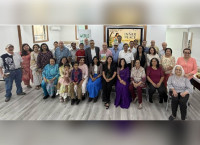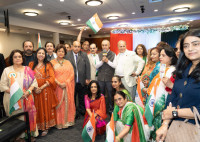
The Rajasthani Organization of American Residents (ROAR) celebrated its annual Gangaur festival with great enthusiasm, joy, and cultural pride on March 14, 2026, in Edison, New Jersey. The event brought together families from the community to celebrate one of Rajasthan’s most cherished festivals with traditional rituals, cultural performances, and community engagement.
Gangaur is a significant Hindu festival primarily celebrated in Rajasthan, India, in honor of Goddess Gauri (Parvati) and Lord Shiva, symbolizing marital happiness, devotion, and prosperity. The name "Gangaur" is derived from "Gan" (Lord Shiva) and "Gaur" (Goddess Gauri), representing the divine couple. Traditionally, women observe fasts, perform rituals, worship idols of Shiva and Parvati, and participate in processions and social gatherings during the festival.
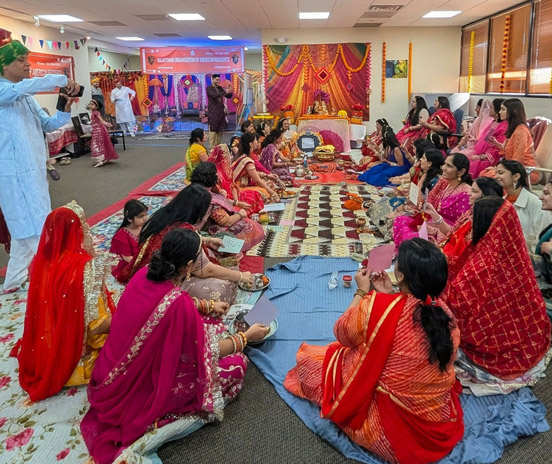
The program began in traditional Rajasthani fashion with the Gangaur Pooja conducted by ROAR women members. The pooja lasted over an hour and a half and followed authentic rituals. Continuing ROAR’s commitment to environmental responsibility, eco-friendly clay idols of Shiva and Parvati were used for the ceremony. These idols were handcrafted locally in the United States by ROAR President Mrs. Tarang Soni especially for the occasion.
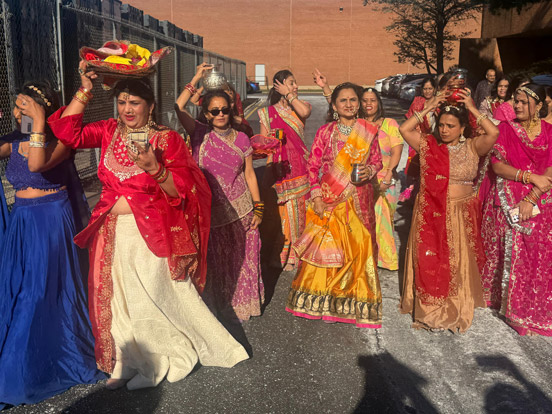
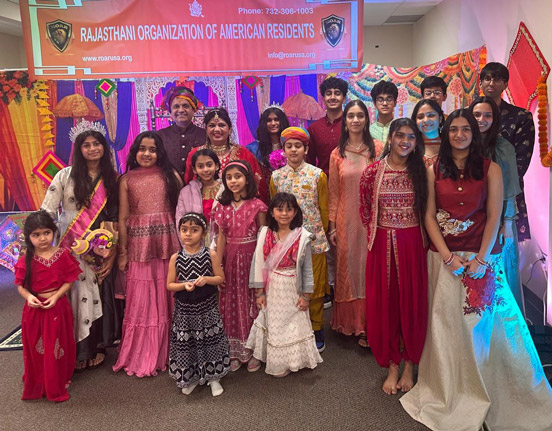
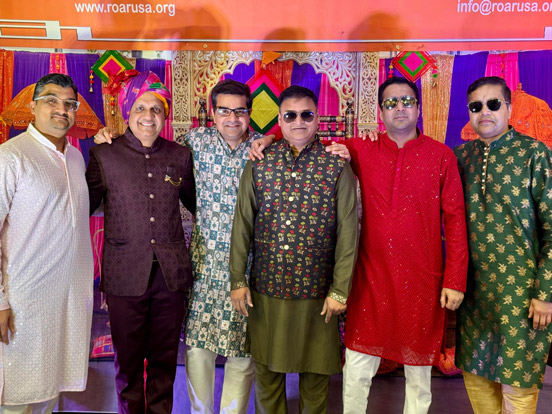
The event showcased vibrant Rajasthani culture through traditional attire. Women and girls wore Ghaghara Choli and Lehengas, while men and boys were dressed in kurta-pyjamas, sherwanis, Jodhpuri suits, and traditional Rajasthani pagdis, adding to the festive atmosphere.
Following the pooja, a cultural program featured performances by ROAR members of all age groups. Men and women performed traditional Rajasthani folk dances set to regional music, highlighting the rich cultural heritage of Rajasthan.
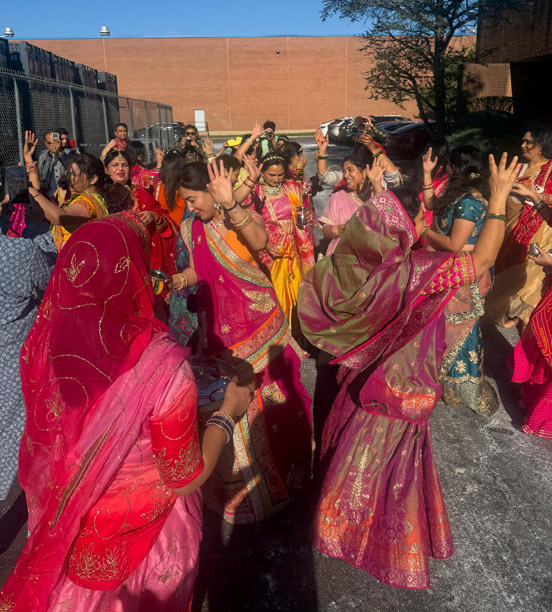
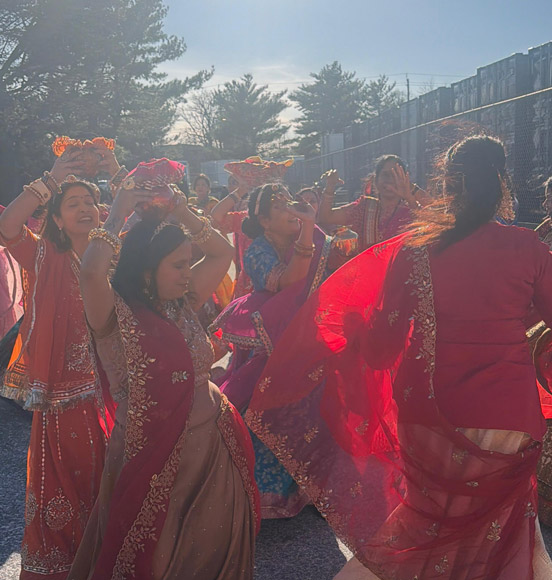
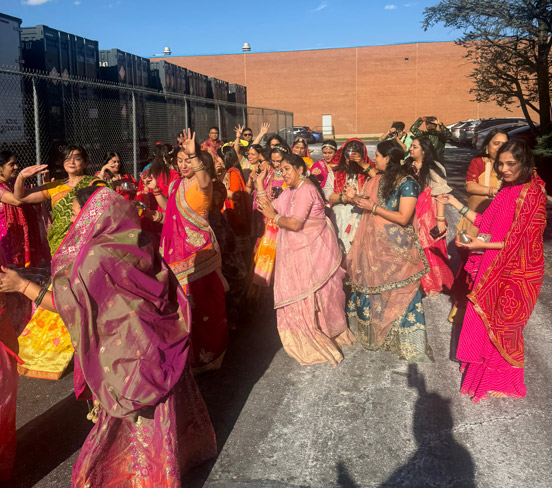
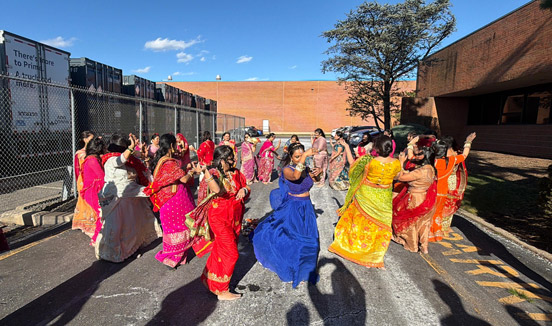
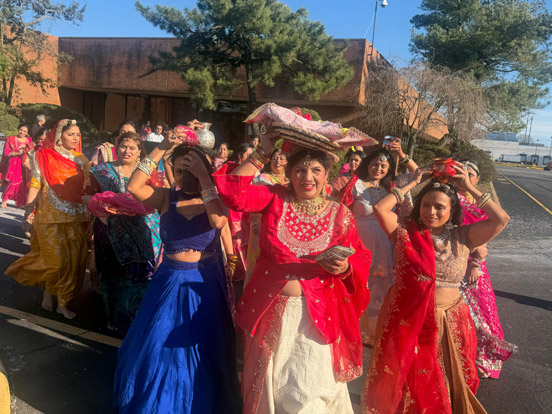
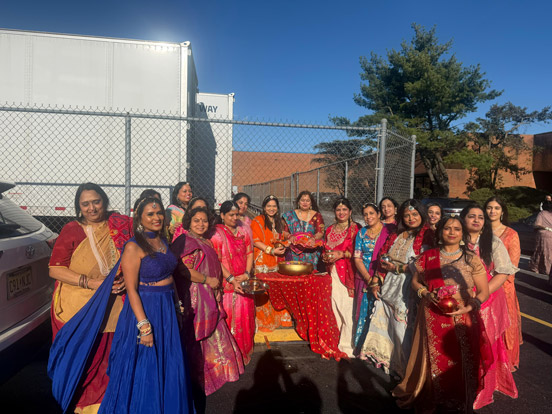
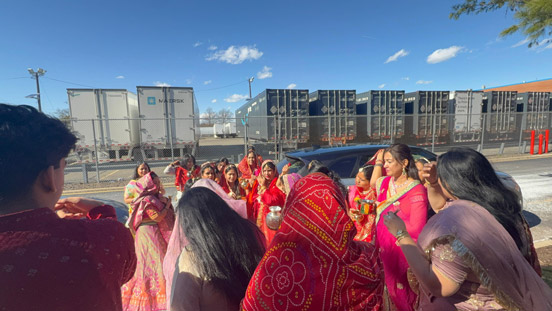
One of the main highlights of the celebration was the Gangaur Mata Bindora (traditional procession). Women carried Gangaur Mata idols and water kalash on their heads while participants danced joyfully throughout the procession. Members walked nearly a mile as part of the traditional farewell ceremony. At the conclusion, the eco-friendly idols of Ishar (Shiva) and Gangaur (Parvati) were ceremonially immersed in water, following tradition and symbolizing a promise to welcome the Goddess again next year.
The celebration also featured a wide variety of authentic homemade Rajasthani cuisine prepared by ROAR members. The menu included Mirch ke Pakode, Daal ki Pakodiya, Kachori with Aloo ki Sabji, Daal Baati Churma, Aloo Baati, Gatte ki Sabji, Dahi Bade, Chole Poori, Kanji, Thandai, Raabadi, Ladoos, Pedas, and many other traditional delicacies.
Additional cultural performances followed the procession, including a fashion show by young children titled “Tiny Tots of Rajasthan,” couple performances, ROAR ladies’ and men’s group dances, and an open dance floor that encouraged community participation.
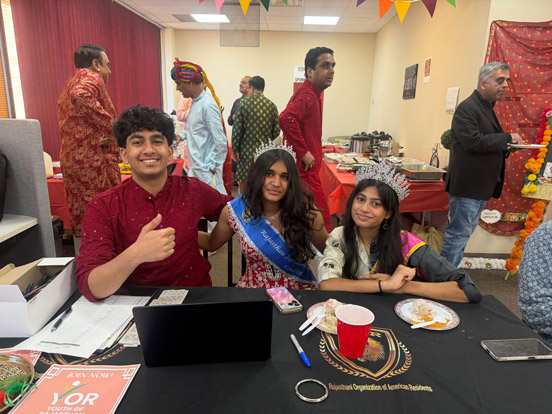
The younger generation group, Youth of Rajasthan (YOR), represented by Atharva Soni, Mati Rajvanshi, and Jeeval Paliwal, also presented their vision and future plans. They announced a commitment to raise $5,000 to provide educational materials for underprivileged students in Rajasthan and to develop an online educational portal for students between the ages of 9 and 16.
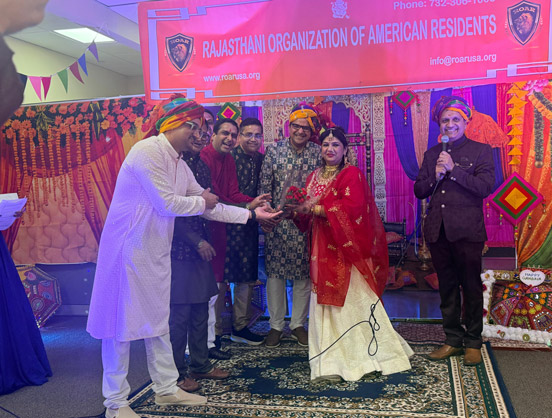
ROAR also marked International Women’s Day during the event by recognizing the achievements of Mrs. Rajasthan International 2025 Payal Sharma, Miss Rajasthan International 2025 Jeeval Paliwal, and Teen Rajasthan International 2025 Mati Rajvanshi. The organization also honored all women members for their contributions to the community.
ROAR President Mrs. Tarang Soni concluded the event by thanking all members, volunteers, organizing committee members, cultural committee members, photography and videography teams, and program hosts for their dedication and efforts in making the event successful.
The celebration reflected ROAR’s continued commitment to preserving Rajasthani heritage, strengthening community bonds, and encouraging the next generation to stay connected to their cultural roots.
(All photos courtesy: ROAR)