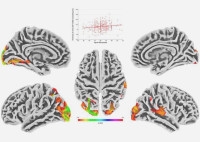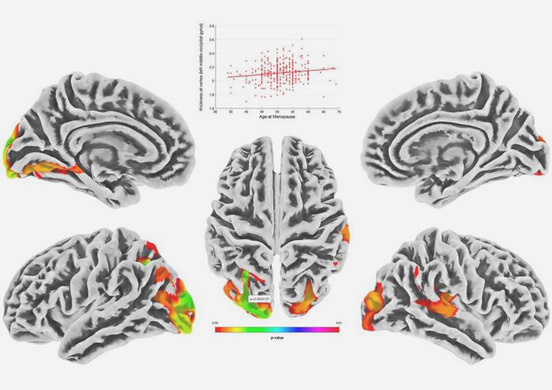
New York: Researchers from the University of Kansas have shown a link between reproductive hormone exposure throughout life and brain health in 459 women aged 65 to 80.
They discovered older women who had used hormonal birth control in young adulthood were more likely to have larger volumes in brain regions vital to memory, cognition and information processing. They recently shared their findings in NeuroImage, a peer-reviewed journal.
“It’s showing a protective effect — using estrogen-based hormone therapies was beneficial for the brain in older women,” said co-lead author Amber Watts, professor of psychology at KU and frequent collaborator with KU Alzheimer’s Disease Research Center scientists. “What's unique about this paper is we looked at the use of hormone-based medications both in early adulthood and in midlife, and the use of both of those was associated with brain health in older adult women.”
The KU researcher said evidence suggested it may be the lifetime accumulation of estrogen exposure, first from birth control and later from menopausal hormone therapy, that provides the beneficial effect.
Most American women of childbearing age use birth control, according to the Centers for Disease Control. “I don't think people really stop and think about that,” Watts said. “When they think about taking birth control for the purpose of either regulating their cycles or for contraception, I don't think what people are thinking about is, ‘How will this affect my health later?’”
The KU researcher said the findings should prompt both health care providers and people who take birth control to think about long-term implications.
Women make up nearly two-thirds of Alzheimer's disease patients, according to the Alzheimer’s Association. According to Watts, understanding if reproductive hormones protect the aging brain might eventually inform strategies for reducing dementia risk and improving healthy cognitive aging. The KU researcher said the new evidence in general should support use of hormone therapy during menopause.