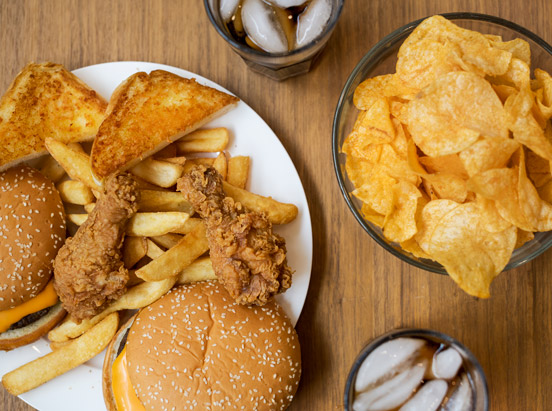
New York: With the rise of weight loss drugs such as GLP-1 medications in recent years, the phrase “food noise” has taken off, particularly in conversations about health and wellness on social media. While thinking about food during the day is normal, food noise is often used to describe endless, looping thoughts about eating that are hard to ignore.
Yet, there’s no official definition for what constitutes food noise and evidence of food noise is based on anecdotal evidence, said the study that appeared in the journal Nutrition and Diabetes.
“The term food noise is everywhere. It’s being picked up by lots of people, and businesses are trying to capitalize on the term for marketing purposes,” said Travis Masterson, assistant professor of nutritional sciences at Penn State. “By exploring how people describe food noise, what it maps to and what can alter it can help bring evidence to differentiate between which claims are backed by science and which are not”
Better defining the term could guide future research and interventions that may be able to help quiet the mental noise, Masterson said. That was the motivation for a recent study — led by Masterson and researchers from Penn State and published in the journal Nutrition and Diabetes — taking a closer look at how the term is discussed on TikTok and what information is being offered on the topic.
The team found that the majority of videos were personal testimonials that described food noise as something negative and distressful, a relentless preoccupation with what to eat that persists regardless of physical hunger. Nearly half of the videos mentioned GLP-1 medications and how these medications acted like a mute button, quieting the brain and the accompanying food noise.
“What we’re seeing in the videos, for example, are people saying that food noise isn’t problematic just for their eating behavior and health but it’s distracting them from other activities,” Masterson said. “It could impact how effective they are at work or if they have the cognitive resources to exercise or spend quality time with their family.”
This study is just part of a larger effort by Masterson and Hayashi to understand food noise. For instance, the researchers plan to follow-up this study with one that analyzes comments on social media videos about food noise to understand how people respond to content on food noise.